TL;DR: Choose a WebHarvy alternative by testing the product data you need, the person who maintains the extraction, and the way results reach your destination. Compare Octoparse, ParseHub, Web Scraper, and Apify with a sample that includes variants, unavailable items, and repeated exports.
A product page shows a starting price, three sizes, and a sale price that appears only after selecting one size. A visual scraper can collect a number successfully while still producing the wrong record for your catalog. If you are looking for a WebHarvy alternative, use that kind of example to evaluate the replacement instead of comparing only the number of supported export formats.
Your existing workflow may already handle ordinary products well. The reason to change might be maintenance, a different execution environment, more complex navigation, or integration with an application. Those requirements lead to different shortlists, and none automatically means the original tool is missing a basic feature.
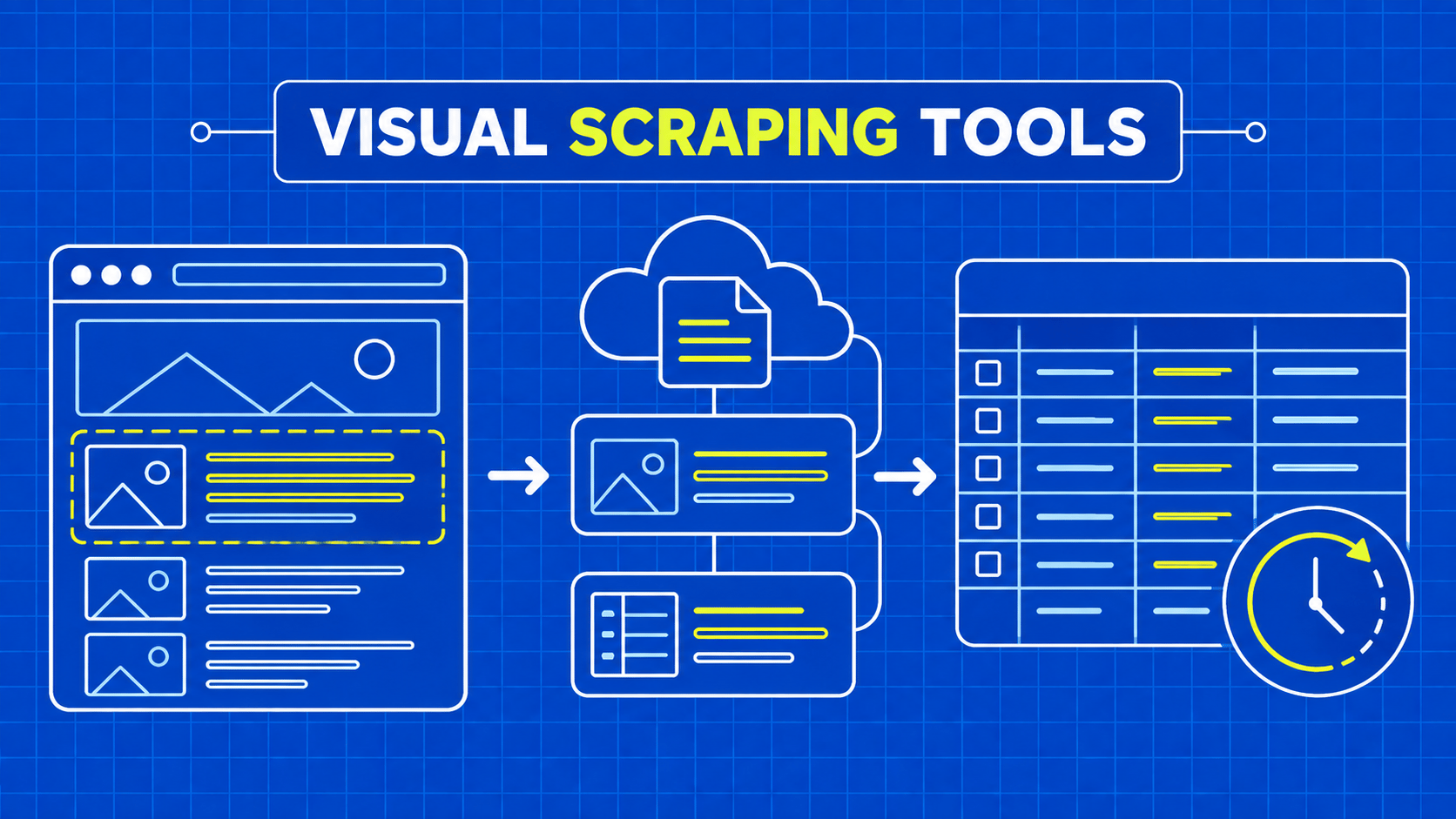
Visual tools sit next to managed APIs and code frameworks in our best web scraping tools roundup, with the trade-offs laid out.
This guide compares four concrete alternatives for product data extraction. The capability descriptions come from current official documentation; the recommended trials are editorial judgments rather than vendor performance rankings. No price figures or universal compatibility promises are used. You will also learn how to define the output before configuring a new tool and how to preserve useful evidence during migration.
Begin with an authorized catalog sample and a consumer who can explain what each row should mean. That combination reveals problems a polished demonstration can easily miss.