Skip to content
Start free

Blog · Articles

Science of Web Scraping

Deep technical dives into the science behind crawling, parsing, anti-bot systems, and the engineering challenges of web-scale data extraction.

Published Articles

34

Articles

Science of Web Scraping

34 articles

Nodriver Python Tutorial: Stealth Browser Scraping From First Script to Production
Science of Web Scraping

Nodriver Python Tutorial: Stealth Browser Scraping From First Script to Production

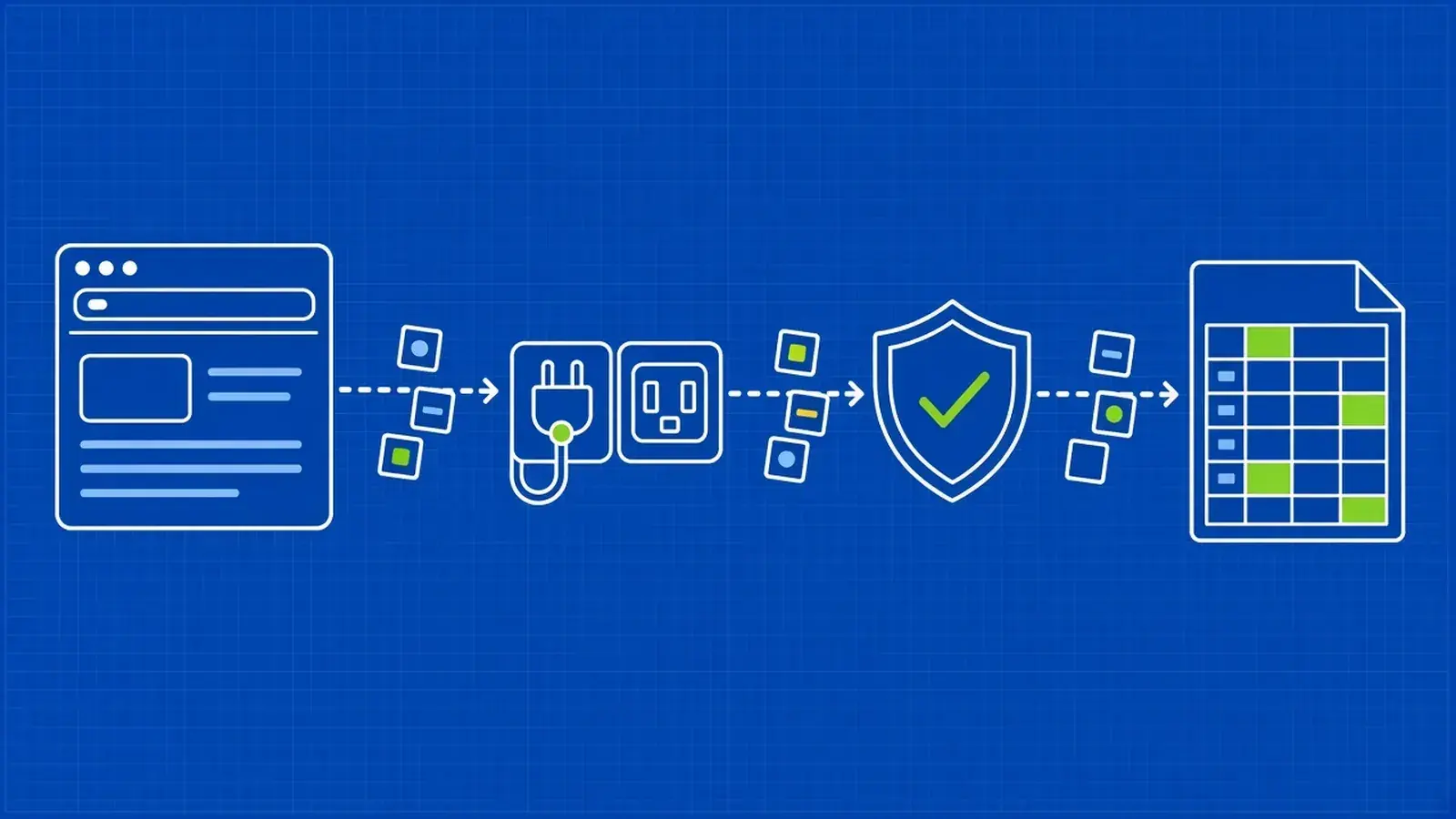
TL;DR: Nodriver is an async Python library that drives Chromium over the Chrome DevTools Protocol, with no Selenium or chromedriver binary. Use it when a self-hosted stealth browser closer to a real Chrome session beats a WebDriver stack, but know it doesn't remove IP, TLS, or behavioral risk on its own. This tutorial goes from a first script to containerized production and a hosted Browser API.

Suciu Dan11 min read
Read Article
How to Handle Google /goto Redirect URLs and CAES Tokens in a SERP Scraper
Science of Web Scraping

How to Handle Google /goto Redirect URLs and CAES Tokens in a SERP Scraper

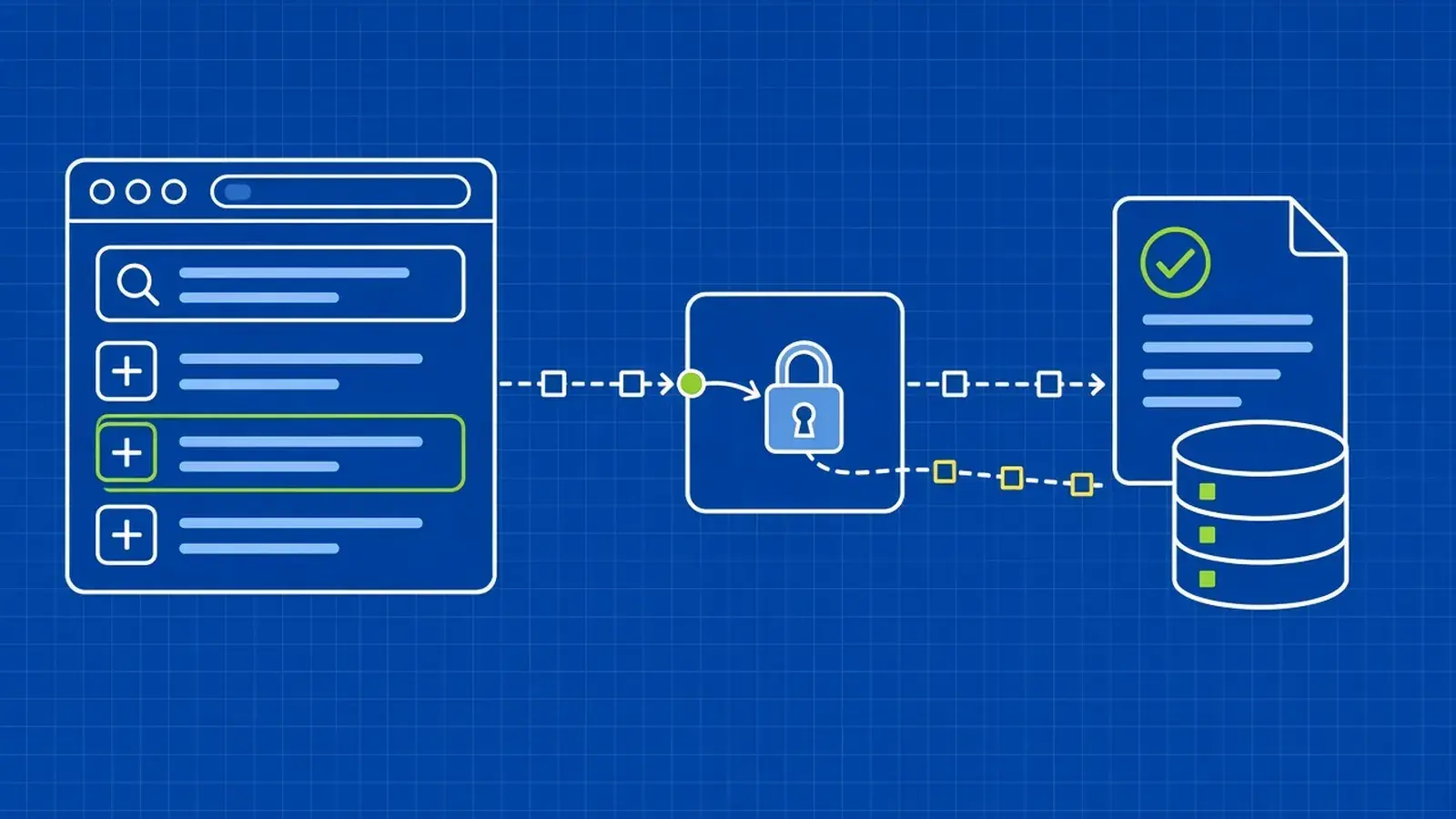
TL;DR: Google /goto URLs with a CAES token, and older /url wrappers, are redirect layers, not destinations, so a SERP scraper that treats every href as final breaks rank tracking and link stores. Prefer a structured SERP API when it returns destination links. When you must parse HTML, classify every href, dedupe redirects, and resolve them with a plain GET. Do not decrypt CAES.

Suciu Dan11 min read
Read Article
HTTP Response Headers in cURL: Every Flag and Recipe
Science of Web Scraping

HTTP Response Headers in cURL: Every Flag and Recipe

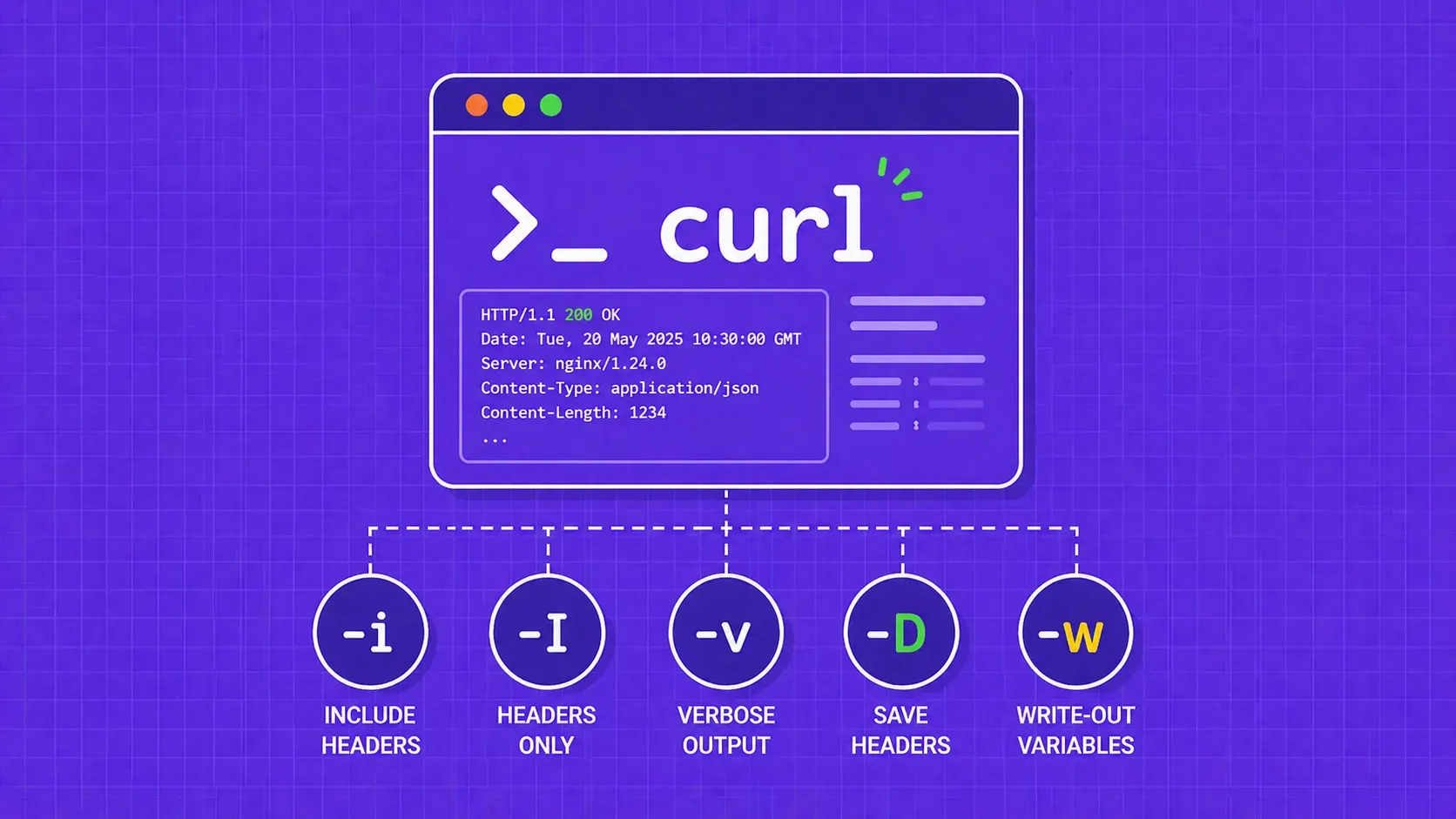
TL;DR: cURL hides response headers by default. Use -i to see headers alongside the body, -I for a HEAD request that returns headers only, -v for full request/response debugging, and -D to save headers to a file. For modern scripting, cURL 7.83+ lets you extract individual headers or dump all of them as JSON with the -w write-out option.

Suciu Dan11 min read
Read Article
What Is a Headless Browser? Uses, Tools, and Setup
Science of Web Scraping

What Is a Headless Browser? Uses, Tools, and Setup

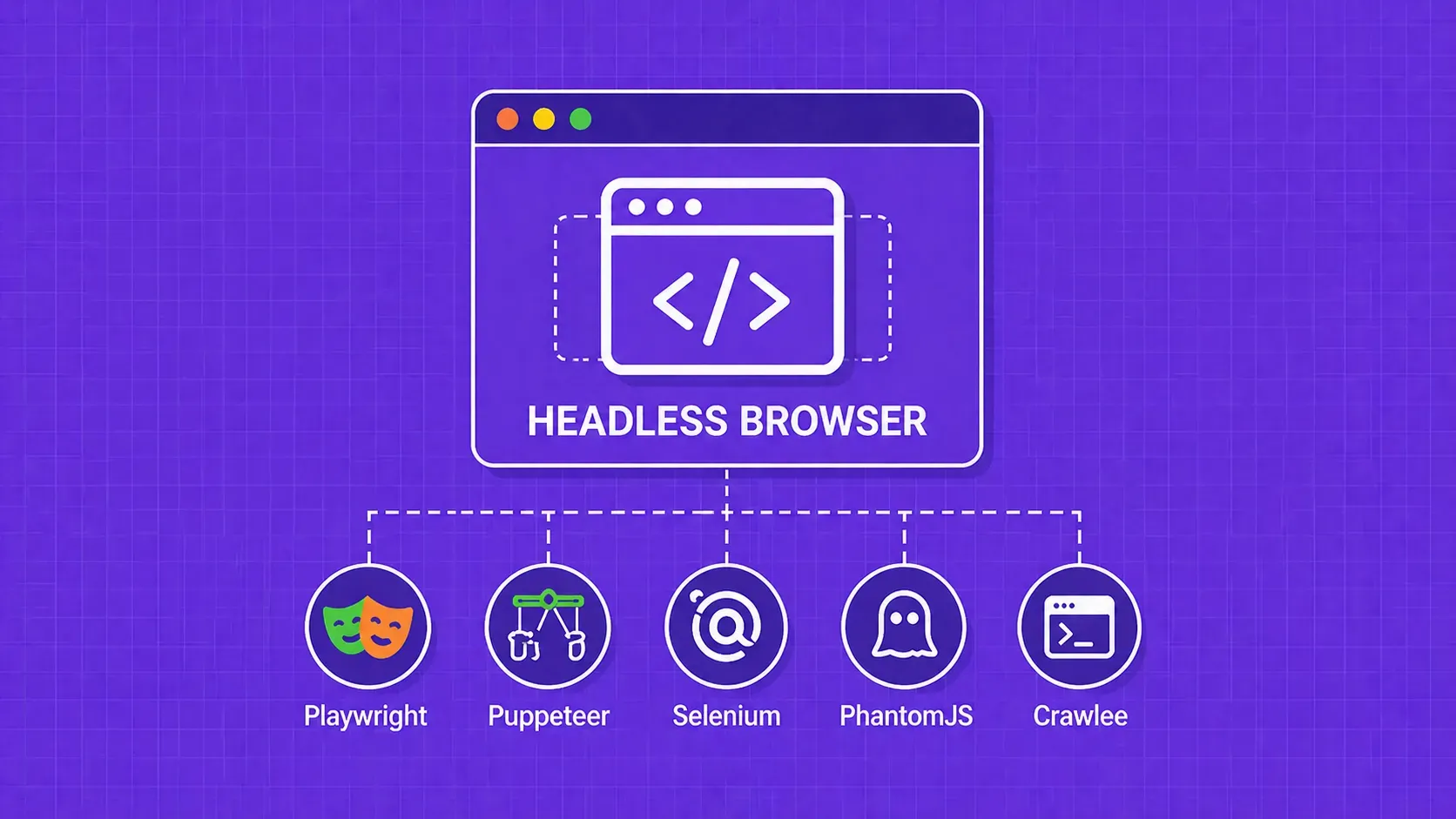
TL;DR: A headless browser is a web browser that runs without a visible graphical interface, controlled entirely through code or command-line instructions. Developers use headless browsers for automated testing, web scraping, performance monitoring, and increasingly to power AI agents. This guide covers how they work internally, when to choose one over a regular browser, and which frameworks are worth your time.

Suciu Dan13 min read
Read Article
Scrapy vs Selenium: Who Wins in 2026?
Science of Web Scraping

Scrapy vs Selenium: Who Wins in 2026?

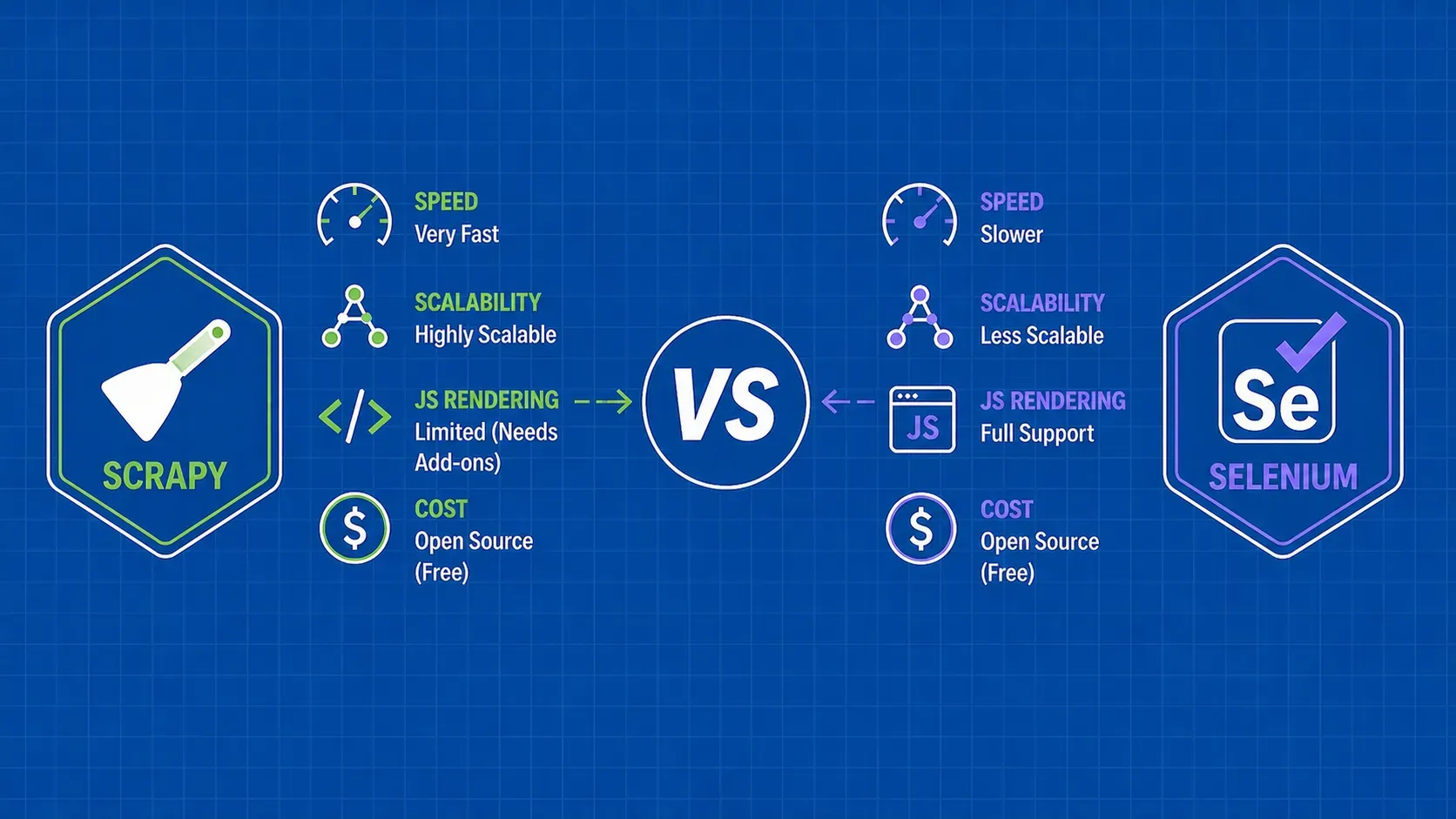
TL;DR: Scrapy is a high-speed, asynchronous crawling framework built for extracting structured data from static pages at scale. Selenium automates real browsers and handles JavaScript-heavy sites, but at a much higher resource cost. Most production scraping projects benefit from knowing when to use each, or when to combine them.

Gabriel Cioci9 min read
Read Article
Data Parsing
Science of Web Scraping

Data Parsing

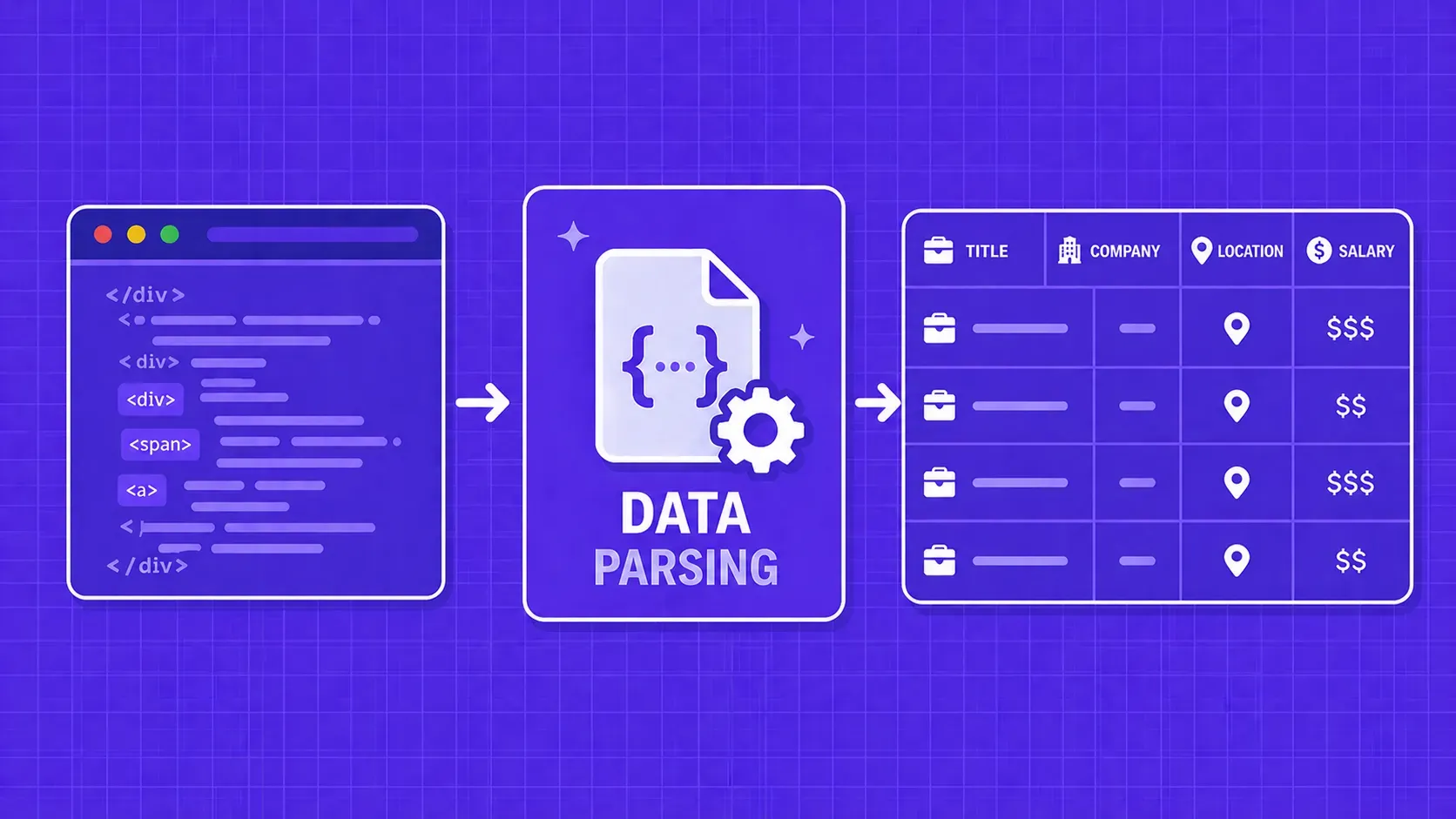
TL;DR: Data parsing converts raw content (HTML, JSON, XML, PDFs) into structured fields your code can actually use. This guide walks through how data parsing works step by step, compares the major techniques and libraries, and gives you a practical framework for deciding whether to build or buy your parsing layer.

Suciu Dan14 min read
Read Article
What Is Browser Automation? Tools and Use Cases
Science of Web Scraping

What Is Browser Automation? Tools and Use Cases

TL;DR: Browser automation is the practice of driving a real or headless web browser from code so it clicks, types, navigates, and reads pages on your behalf. This guide explains what is browser automation under the hood, compares Selenium, Playwright, Puppeteer, and Cypress, and shows when not to reach for a full browser.

Ștefan Răcilă10 min read
Read Article
Web Scraping vs Data Mining: Differences and Use Cases
Science of Web Scraping

Web Scraping vs Data Mining: Differences and Use Cases

TL;DR: Web scraping collects raw data from public web pages. Data mining analyzes structured data to surface patterns, predictions, and segments. They are different stages of the same lifecycle, and most production systems combine them in a scrape-then-normalize-then-mine pipeline.

Ștefan Răcilă12 min read
Read Article
Best Web Scraping Courses
Science of Web Scraping

Best Web Scraping Courses

TL;DR: The best web scraping courses depend on your language, level, and target use case. This guide compares five paid picks across Udemy, Coursera, DataCamp, and Packt, points to free supplements like official docs, and shows how to bridge from finishing a course to running production scrapers.

Ștefan Răcilă10 min read
Read Article
10 Questions to Answer Before You Write a Scraper
Science of Web Scraping

10 Questions to Answer Before You Write a Scraper

TL;DR: A web scraping project fails on planning long before it fails on code. These ten scraping questions walk you through legality, API alternatives, anti-bot defenses, cost, refresh cadence, data quality, and governance, so you scope the work, pick the right stack, and avoid the failure modes that quietly kill scrapers in production.

Mihai Maxim10 min read
Read Article
15 Best Antidetect Browsers in 2026 - Honest Comparison
Science of Web Scraping

15 Best Antidetect Browsers in 2026 - Honest Comparison

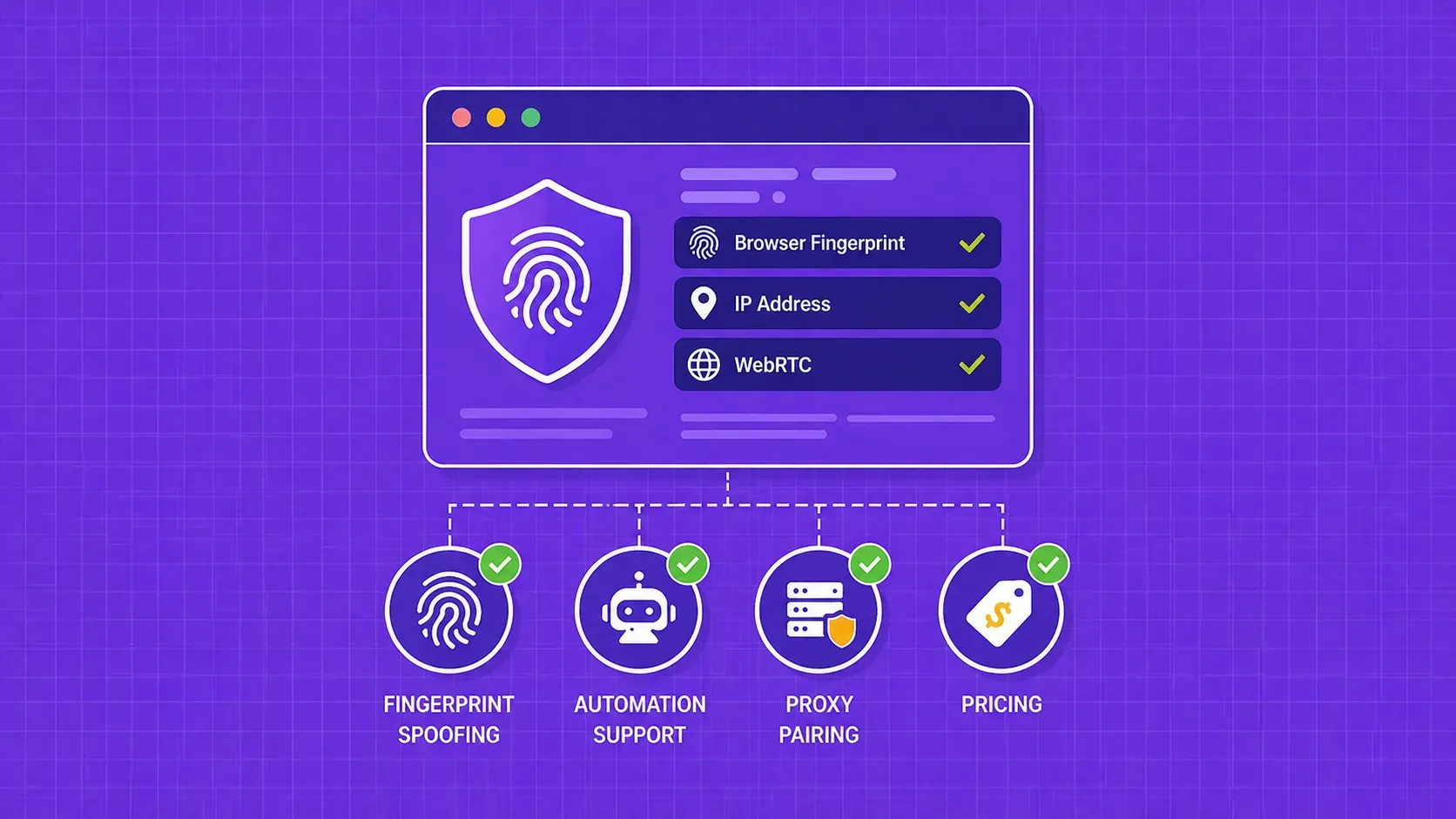
TL;DR: Antidetect browsers let you run multiple isolated browser profiles, each with a unique fingerprint, so platforms cannot link your accounts. This guide ranks the 15 best antidetect browsers of 2026 across fingerprint quality, automation support, pricing, and proxy integration. We also cover how these tools actually work, when a scraping API is the smarter choice, and which proxy type to pair with each use case.

Mihnea-Octavian Manolache26 min read
Read Article
What Are ISP Proxies? Static Residential IPs Explained
Science of Web Scraping

What Are ISP Proxies? Static Residential IPs Explained

TL;DR: What are ISP proxies? They are static residential IPs hosted in a datacenter. Detection systems see a residential ASN; you get datacenter throughput. They are the right pick when sessions, account binding, and predictable per-IP pricing matter more than raw geographic reach.

Mihnea-Octavian Manolache9 min read
Read Article
HTTP Headers Web Scraping: Stop Getting Blocked
Science of Web Scraping

HTTP Headers Web Scraping: Stop Getting Blocked

TL;DR: HTTP headers are usually why your scraper gets a 403 while your browser loads the same URL fine. This guide shows which headers anti-bot systems actually inspect, how to capture a real browser's header set from DevTools, how to send and rotate them correctly in Python and Node.js, and when manual tuning stops paying off and a managed scraping API is the better move.

Raluca Penciuc12 min read
Read Article
Best Rotating Residential Proxies In 2026 For Web Scraping
Science of Web Scraping

Best Rotating Residential Proxies In 2026 For Web Scraping

TL;DR: The best rotating residential proxies in 2026 are not the ones with the biggest billboard pool size. They are the ones whose session control, geo-targeting, ethical sourcing, and per-GB economics actually match the targets you scrape. This guide gives you a vendor-neutral evaluation framework, a comparison table of 11 providers, and a use-case map so you can shortlist two or three before you ever touch a credit card.

Anda Miuțescu36 min read
Read Article
Node Unblocker for Web Scraping
Science of Web Scraping

Node Unblocker for Web Scraping

TL;DR: Node-unblocker turns an Express app into a URL-prefix HTTP proxy you can hack on. This web scraping node unblocker guide walks through installing it, wiring up request and response middlewares, rotating instances, deploying on Docker or Heroku, and recognizing the point where a managed scraping API is the saner answer.

Sorin-Gabriel Marica11 min read
Read Article
Rotating Proxies: How IP Rotation Works for Web Scraping
Science of Web Scraping

Rotating Proxies: How IP Rotation Works for Web Scraping

TL;DR: So what are rotating proxies, in one line? Proxy servers that assign a different IP to each request from a managed pool, which is how scrapers slip past per-IP rate limits, CAPTCHAs, and geo-filters. This guide covers how rotation works, the four pool types, setup code in three languages, and how to pick a provider.

Raluca Penciuc10 min read
Read Article
CSS Selectors Cheat Sheet for Web Scraping
Science of Web Scraping

CSS Selectors Cheat Sheet for Web Scraping

TL;DR: Use this CSS Selectors Cheat Sheet when you want to scrape the web like a pro

Ștefan Răcilă6 min read
Read Article
How to Build a Python Web Crawler: From Start to Scale
Science of Web Scraping

How to Build a Python Web Crawler: From Start to Scale

TL;DR: A python web crawler automates the tedious work of following links across a website to discover and collect content. This guide walks you through building one from scratch with requests and BeautifulSoup, then graduating to Scrapy for concurrent crawling, item pipelines, and structured data exports. You will also learn how to crawl responsibly, rotate proxies to avoid blocks, and handle JavaScript-rendered pages.

Suciu Dan27 min read
Read Article
Premium Proxy List 2026: 9 Paid Proxy Services Ranked
Science of Web Scraping

Premium Proxy List 2026: 9 Paid Proxy Services Ranked

TL;DR: For most scraping teams, Oxylabs and Decodo are the strongest all-round premium proxy services, Bright Data suits enterprise budgets, and Webshare is the cheapest way to start with a static list. Choose a static list when you want IPs that stay yours for the rental period, and a rotating gateway when every request or session should leave through a different IP.

Gabriel Cioci22 min read
Read Article
The 5 Most Popular API Styles and What Sets Them Apart
Science of Web Scraping

The 5 Most Popular API Styles and What Sets Them Apart

TL;DR: Distinguish five common API approaches without mixing architecture, protocols, and delivery patterns. Compare their contracts using one practical catalog scenario.

Robert Munceanu12 min read
Read Article
Best Free Proxy Lists for Web Scraping, Ranked (2026)
Science of Web Scraping

Best Free Proxy Lists for Web Scraping, Ranked (2026)

TL;DR: The best free proxy lists for web scraping are ProxyScrape's list for scripts, Geonode's for uptime and ASN filters, and monosans/proxy-list on GitHub for plain-text pipeline feeds. Treat every list as a pool of candidates, because only a small share of listed proxies work on any given day, and never send logins or payment pages through a free proxy.

Robert Munceanu22 min read
Read Article
Best Shared and Dedicated Datacenter Proxies in 2026
Science of Web Scraping

Best Shared and Dedicated Datacenter Proxies in 2026

TL;DR: For cheap bulk scraping of lightly protected sites, Decodo and Webshare have the lowest shared datacenter proxy prices. For dedicated IPs at scale, SquidProxies, Oxylabs, and Bright Data fall to between $0.80 and $1.30 per IP at their top tiers. Pick semi-dedicated IPs from Rayobyte or BuyProxies when you want fewer neighbors on a budget. This guide compares 11 providers on list prices.

Anda Miuțescu20 min read
Read Article
Web Scraping vs Web Crawling: A Beginner's Guide
Science of Web Scraping

Web Scraping vs Web Crawling: A Beginner's Guide

TL;DR: Learn how crawlers find pages and scrapers extract useful data. Follow a bookstore example, compare their outputs, and choose the right workflow for your first project.

Anda Miuțescu11 min read
Read Article
Best Mobile Proxies for Web Scraping in 2026: 9 Ranked
Science of Web Scraping

Best Mobile Proxies for Web Scraping in 2026: 9 Ranked

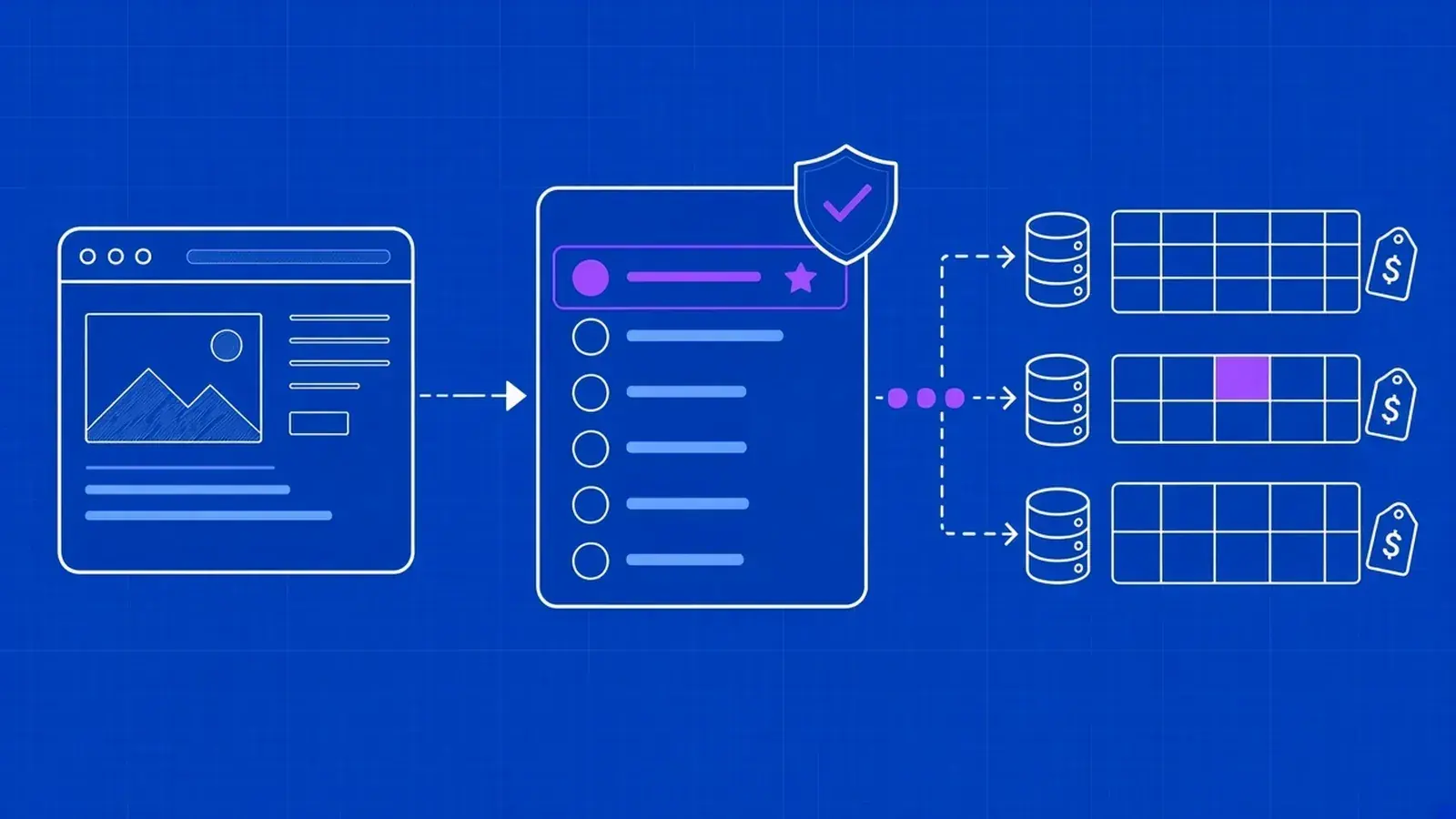
TL;DR: Decodo is the best all-round mobile proxy for most scraping teams, Oxylabs suits precise carrier and ASN targeting at volume, and SOAX gives the most rotation control. Buy rotating mobile proxies, billed per GB, when each request should come from a different carrier IP; buy a dedicated mobile IP when you need one stable identity. Most public pages scrape fine on cheaper proxy types.

Sergiu Inizian22 min read
Read Article
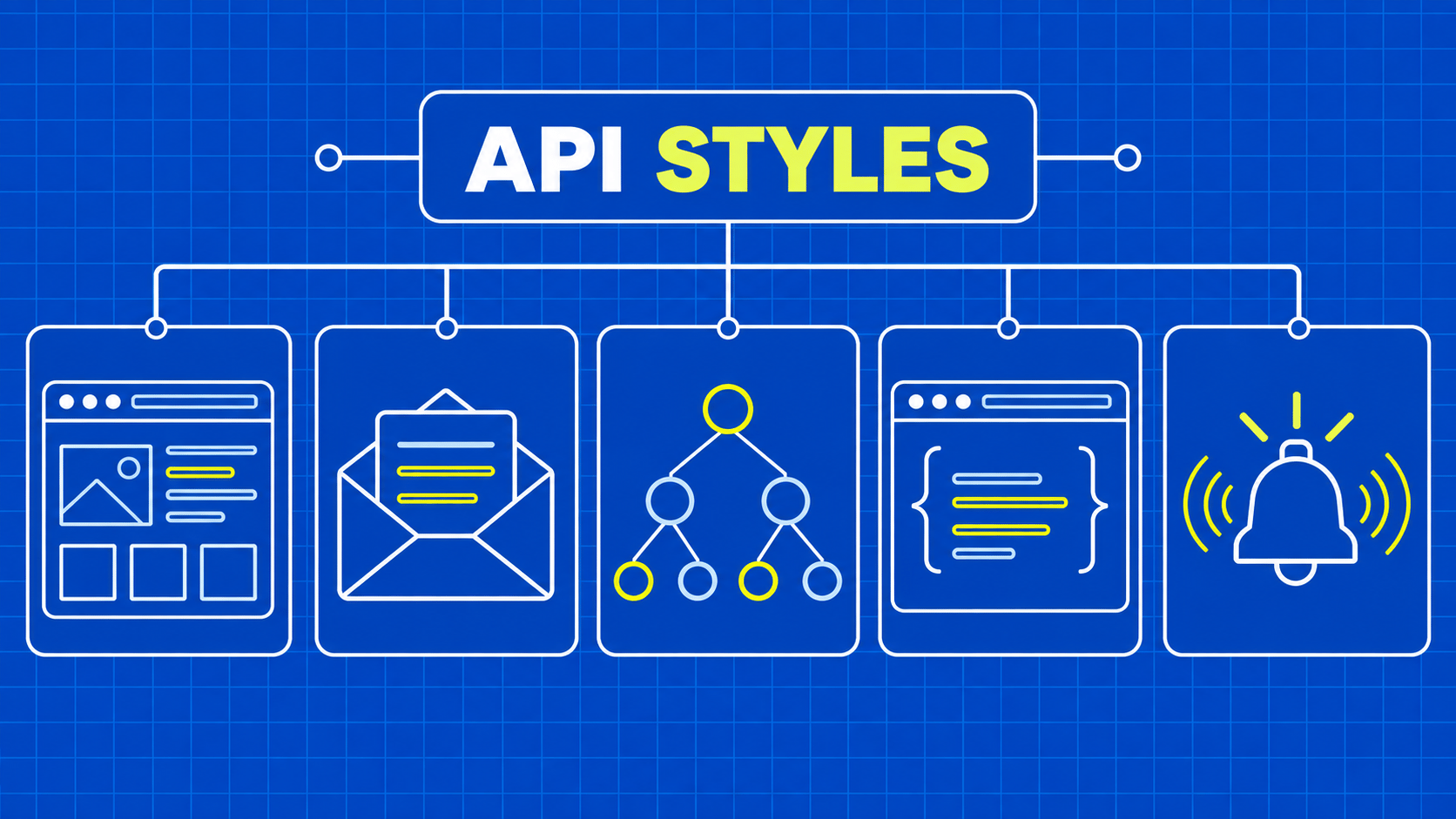
Web Scraping Best Practices: A Lifecycle Playbook With Tips and Working Code
Science of Web Scraping

Web Scraping Best Practices: A Lifecycle Playbook With Tips and Working Code

TL;DR: Web scraping best practices are the habits that keep a scraper legal, polite, accurate, and cheap to run. Write a data contract, prefer APIs or JSON over HTML, follow robots.txt as RFC 9309 defines it, pace each host, honor Retry-After, and validate every record before saving it. This playbook applies them to each stage of a scraper's lifecycle, with working Python snippets.

Anda Miuțescu27 min read
Read Article
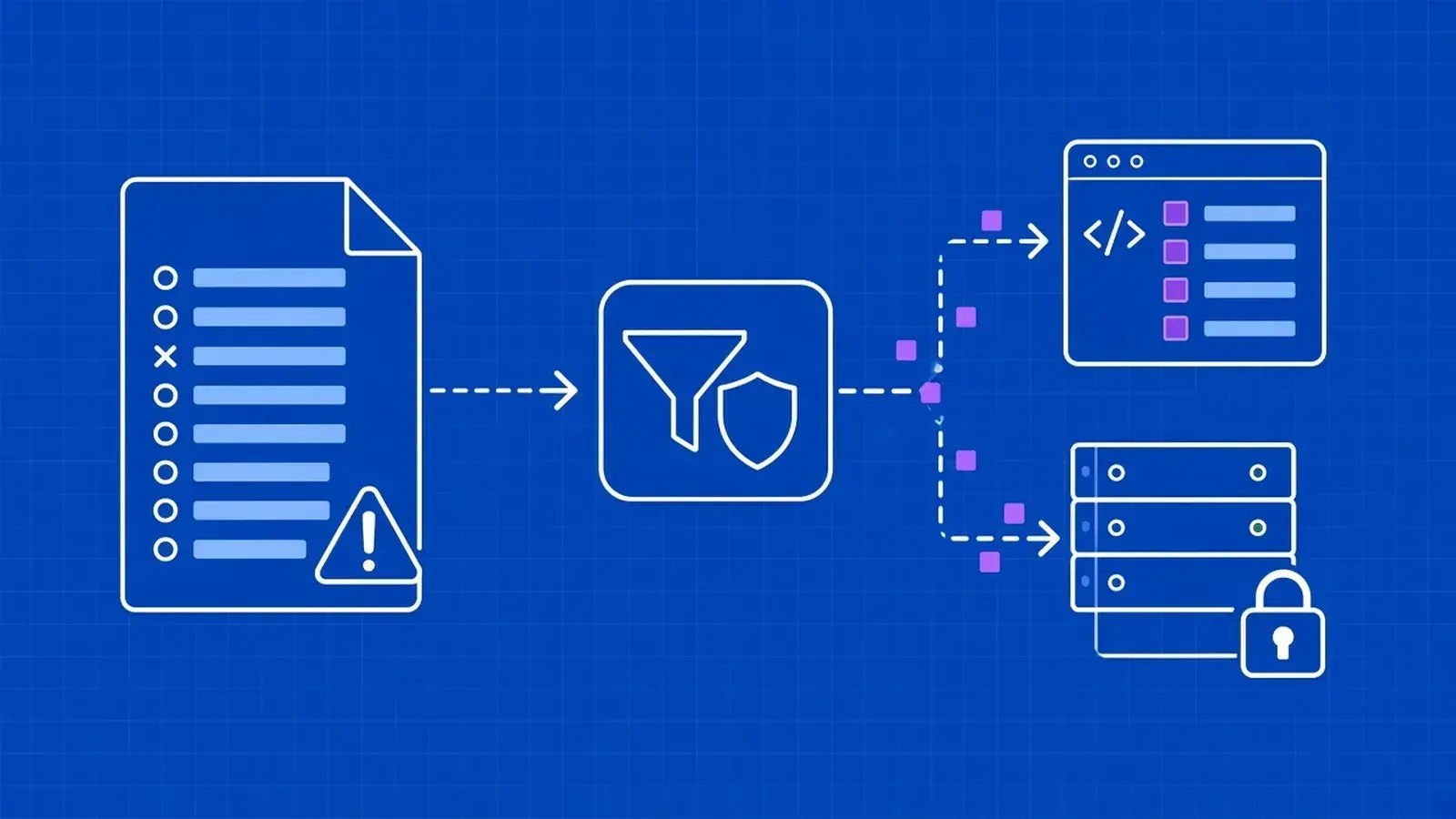
Web Scraping Without Getting Blocked: 2026 Playbook
Science of Web Scraping

Web Scraping Without Getting Blocked: 2026 Playbook

TL;DR: Modern blocks happen across four layers, network, request signature, browser, and behavior. Diagnose the layer first using status codes and challenge pages, then fix it with the right combination of rotating residential proxies, browser-grade headers, TLS impersonation, stealth browsers, and human-like timing. When volume or anti-bot sophistication makes DIY uneconomical, offload the request layer to a managed API.

Sergiu Inizian32 min read
Read Article
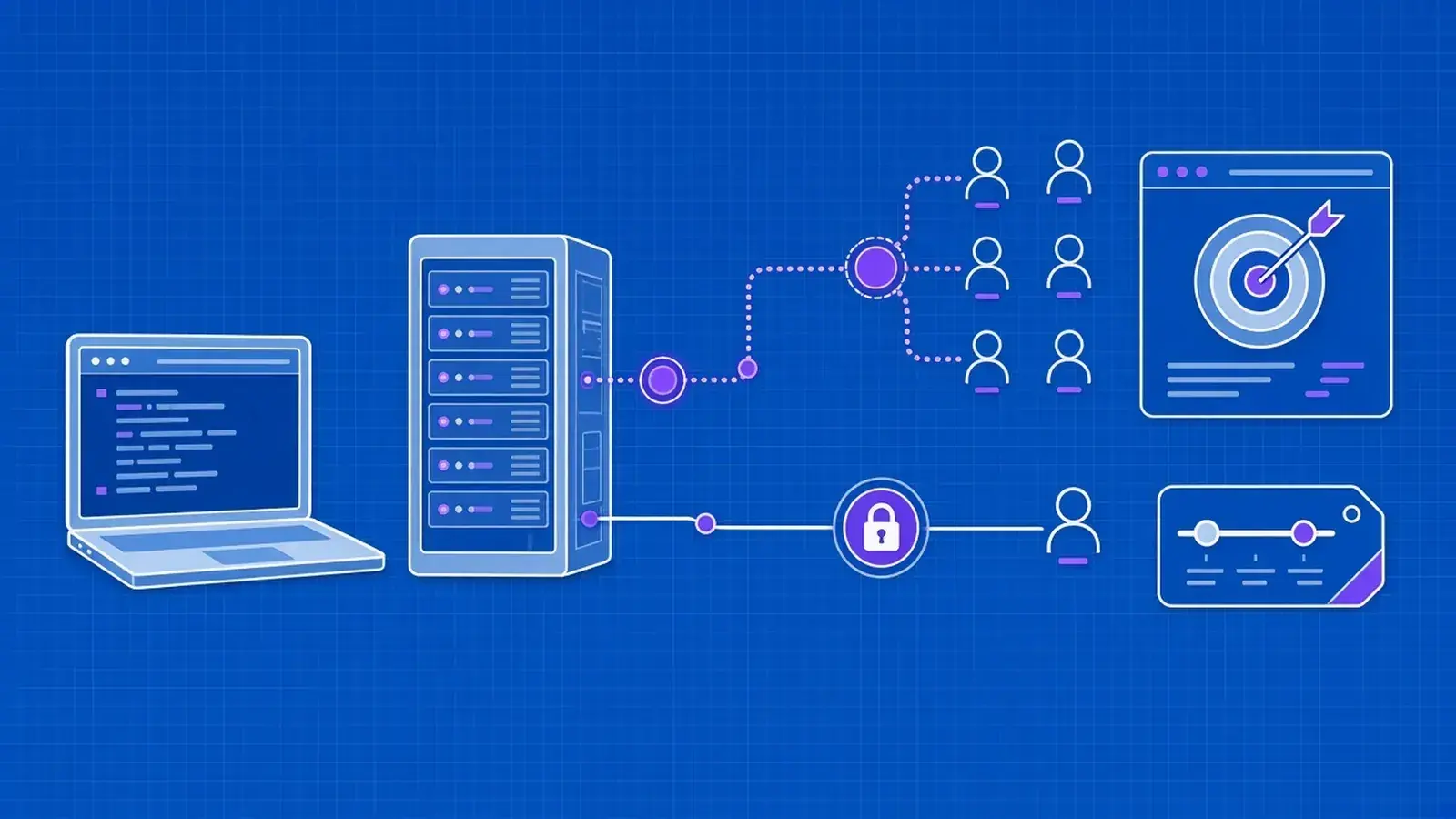
Web Scraping IP Blocks: Diagnose and Recover
Science of Web Scraping

Web Scraping IP Blocks: Diagnose and Recover

TL;DR: Identify the evidence behind a failed scrape before calling it an IP block. Diagnose rate limits, session problems, and access denials, then validate recovery.

Anda Miuțescu12 min read
Read Article
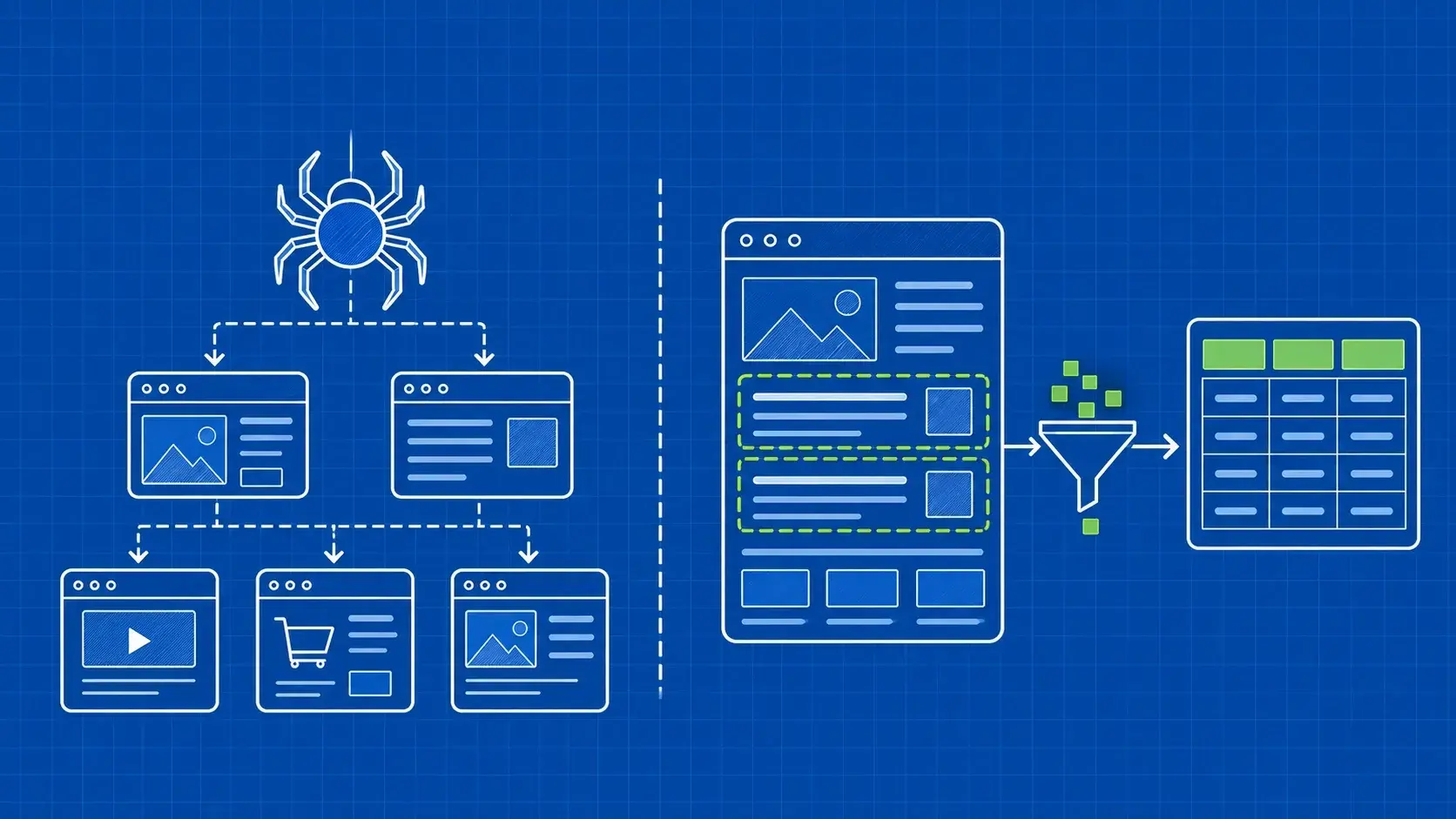
Web Scraping API Advantages and Tradeoffs
Science of Web Scraping

Web Scraping API Advantages and Tradeoffs

TL;DR: See which responsibilities a scraping API can take over and which remain yours. Evaluate rendering, structured output, recovery, and cost per usable record.

Anda Miuțescu12 min read
Read Article
Best Proxy Types for Web Scraping in 2026
Science of Web Scraping

Best Proxy Types for Web Scraping in 2026

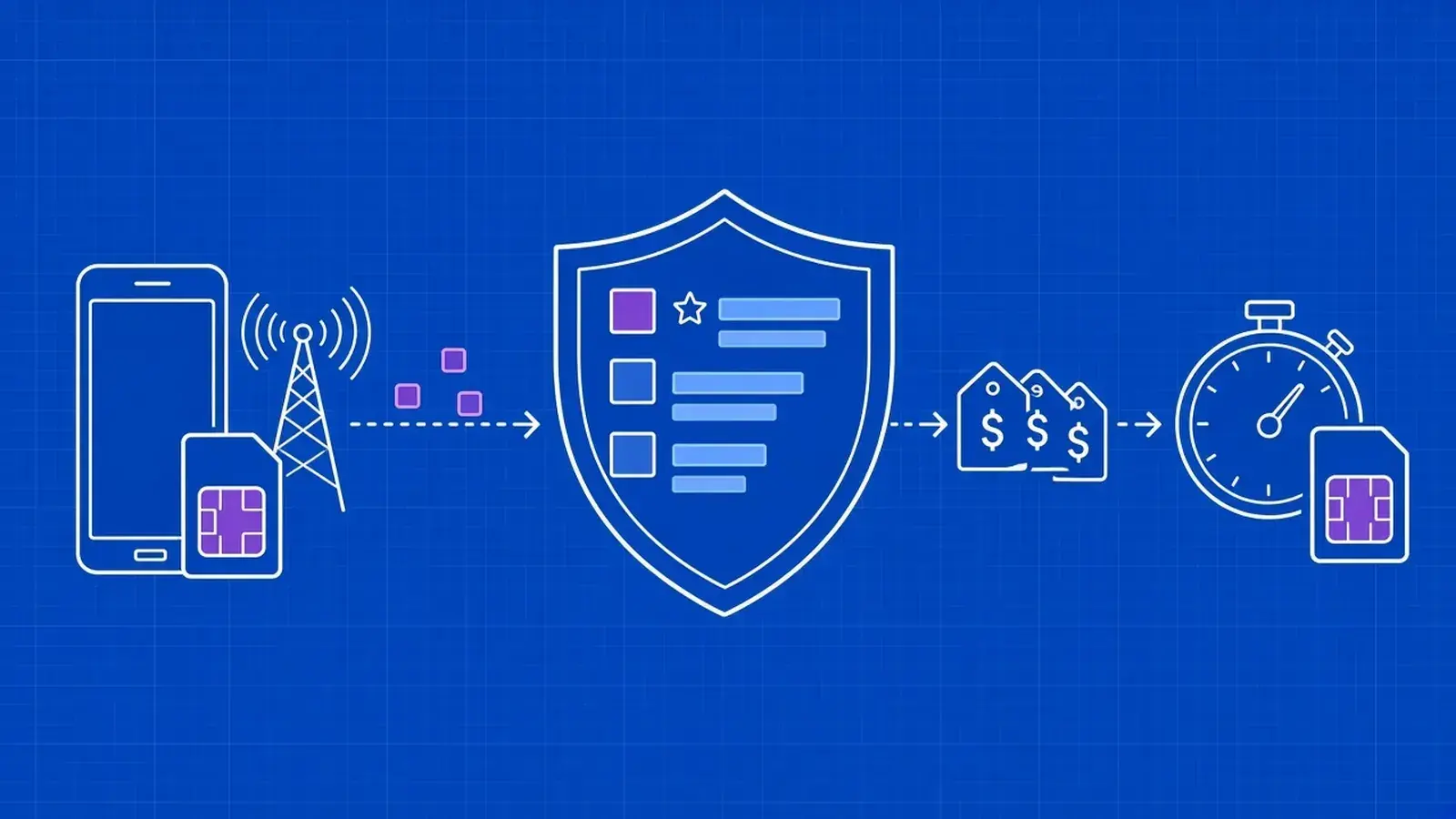
TL;DR: Web scraping proxies sit between your scraper and the target site, mask your IP, and let you survive rate limits, geo-walls, and anti-bot defenses. The right type (datacenter, residential, ISP, or mobile) and the right protocol (HTTP/HTTPS or SOCKS5, IPv4 or IPv6) depend on the target's defenses, your geo needs, and how heavy each page is. This guide walks the trade-offs and ends with a vendor-neutral checklist.

Raluca Penciuc12 min read
Read Article
Proxy Management for Web Scraping
Science of Web Scraping

Proxy Management for Web Scraping

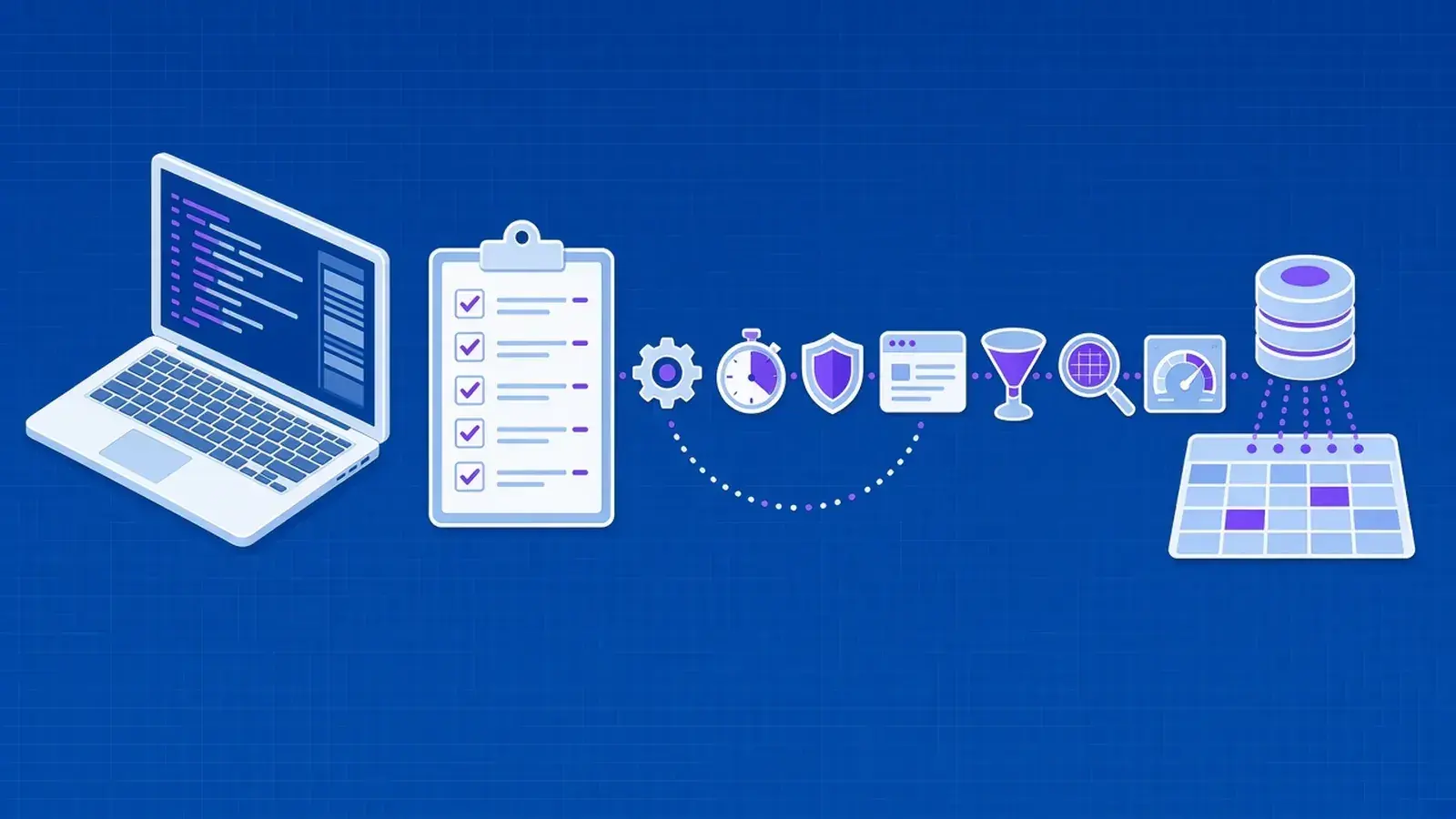
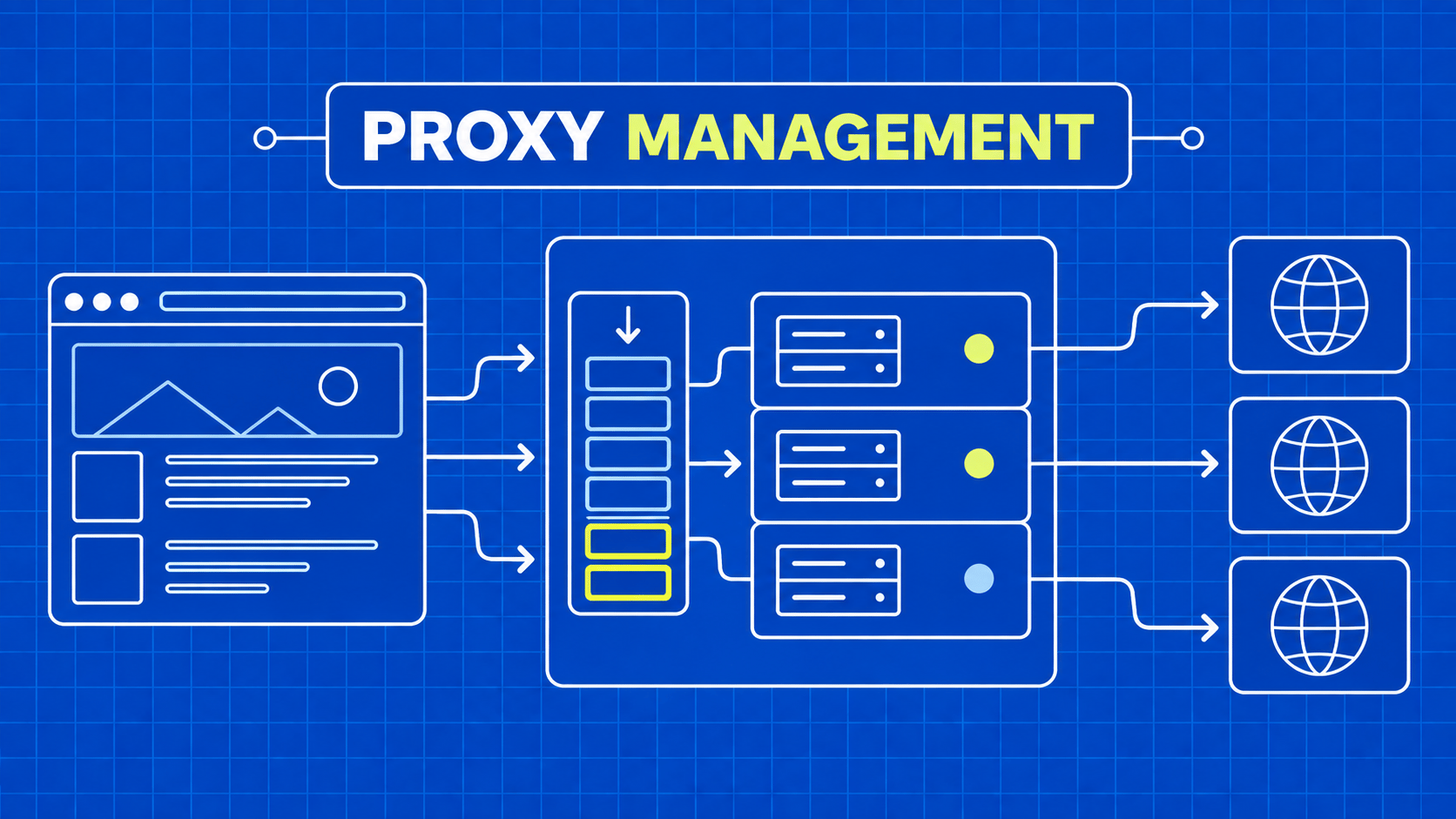
TL;DR: Design proxy allocation around work requirements, session leases, layered health, and source-wide limits. Measure accepted records instead of address rotations.

Raluca Penciuc12 min read
Read Article
Best Proxies for Web Scraping in 2026: Pick by Job and Cost
Science of Web Scraping

Best Proxies for Web Scraping in 2026: Pick by Job and Cost

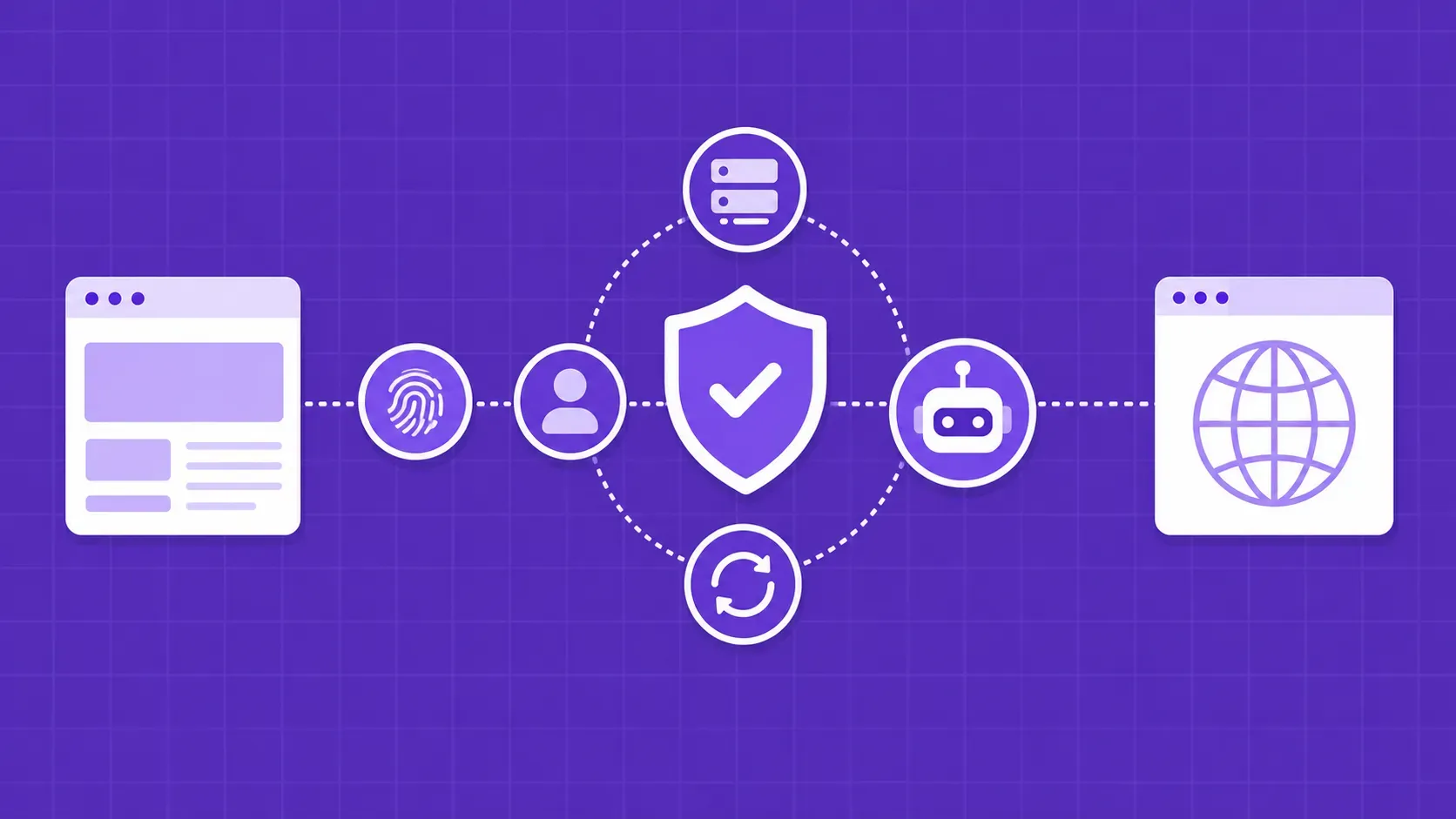
TL;DR: The best proxies for web scraping are the cheapest ones your target accepts. Use datacenter for open sites at volume, ISP to hold one IP through logged-in or multi-step flows, residential for stricter sites and city-level targeting, and mobile for mobile-first targets. Choose the type by job first, then compare providers on cost per successful request, not price per GB.

Robert Munceanu20 min read
Read Article
Custom Scraper vs Data Extraction Tools
Science of Web Scraping

Custom Scraper vs Data Extraction Tools

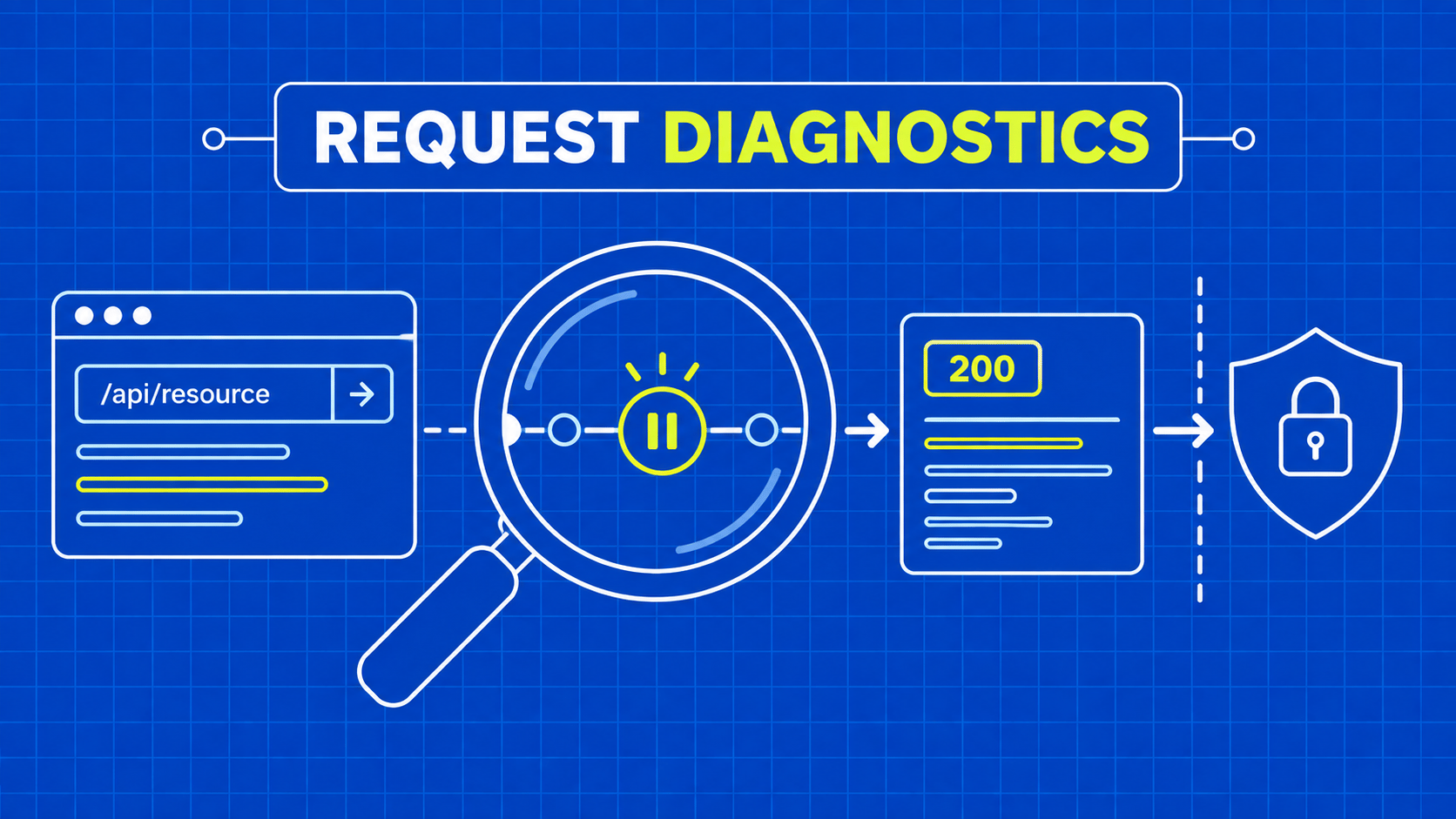
TL;DR: Decide whether to build, buy, or combine scraping tools using a data contract, ownership comparison, total-cost model, and a practical pilot.

Sergiu Inizian13 min read
Read Article
The Best Web Scraping Tools of 2026
Science of Web Scraping

The Best Web Scraping Tools of 2026

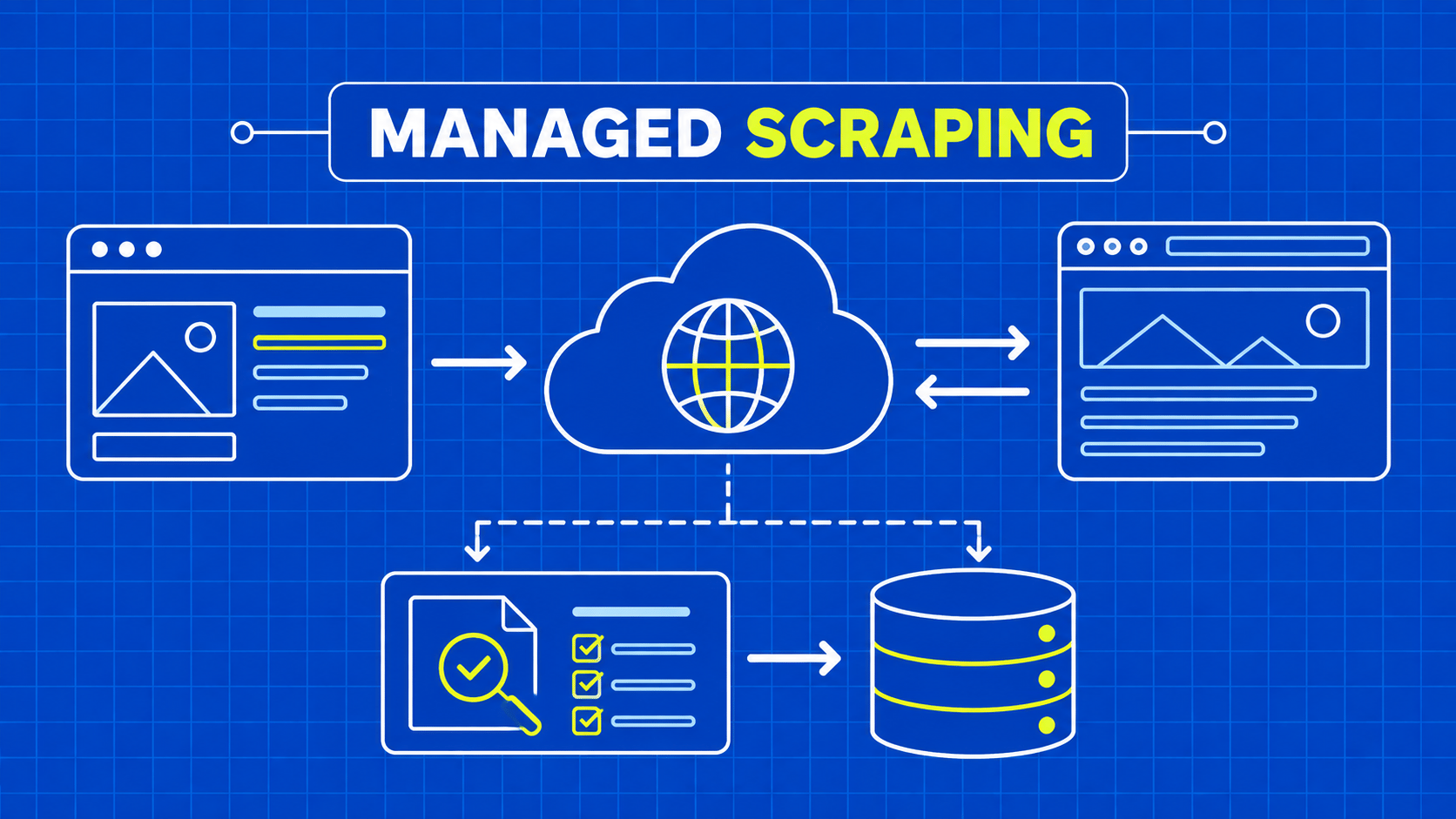
TL;DR: The best web scraping tools of 2026 fall into three buckets: managed APIs that hide proxies, headless browsers, and CAPTCHAs behind an HTTP call; open-source frameworks like Scrapy and Crawlee that give you full control if you can host them; and no-code visual scrapers for non-developers. There is no single winner. We compare 22+ options across pricing models, JavaScript rendering, anti-bot strength, and ideal use cases so you can shortlist two or three to trial against your actual target sites.

Gabriel Cioci46 min read
Read Article
What Is Web Scraping?
Science of Web Scraping

What Is Web Scraping?

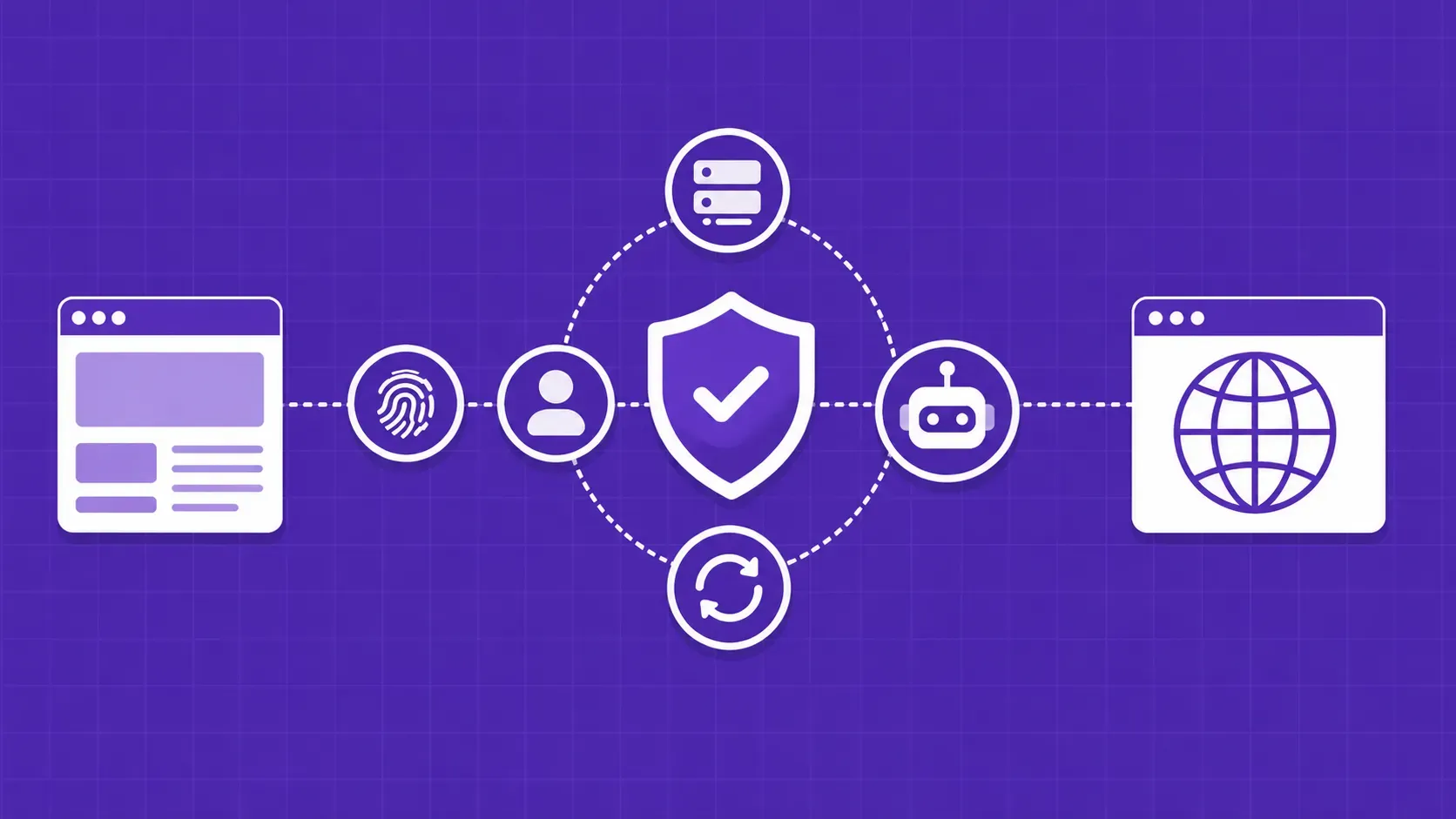
TL;DR: Web scraping is the automated extraction of public web data into a structured format you can actually use, such as JSON or a spreadsheet. This guide covers what is web scraping at a definitional level, the request-and-parse pipeline behind it, where teams put it to work, the tooling spectrum from no-code to managed APIs, and how to stay on the right side of anti-bot defenses and the law.

Sergiu Inizian17 min read
Read Article
Start Building

Ready to Scale Your Data Collection?

Join 2,000+ companies using WebScrapingAPI to extract web data at enterprise scale with zero infrastructure overhead.