What is an API vs. a web scraping API
There are many definitions or explanations of what an API is, and these would be some of the most on-point and simple descriptions of it.
An Application Programming Interface (API) is a contract established between two software products to exchange data under some common-agreed terms. (WebScrapingAPI)
An API, or Application Programming Interface, is nothing more than an entry point to a system or application for other systems or applications, a set of definitions that software programs can use. (Fuga Cloud)
An API allows communication between 2 applications. An application “A” (at the user’s side) sends a query to the application “B” (the web platform), and then “B” returns a response with the information or the result of the action requested in the query from “A”. ("https://www.meteosim.com/" rel="noopener noreferrer">Metosim)
Whichever definition you prefer, one thing is clear: an API offers access to a vast amount of functionalities, which developers can then easily use in their application.
An API is one of the most common tools for harvesting data regarding web scraping. In this case, it acts as a solution to many challenges web scraping enthusiasts encounter while scraping the web, like Javascript rendering, IP blocking, or anti-bots mechanisms.
Let’s take an example to understand better what a web scraping API is and how its features make it possible to extract data at any code lover’s fingertips.
As its name suggests, WebScrapingAPI is, yeah, you’re right, an API that makes web scraping a faster and easier process to obtain web data. It acts the same way as a simple API would do. It connects the data extraction software built by the service provider with whatever you need.
You basically make your requests to the used API, establishing which URL you will target, which proxies you will use and what data you want to extract. The API will return its response in the form of a JSON formatted file.
As mentioned above, some challenges can arise while scraping the online environment. Most of them have the same purpose: to block your activity so that you stop scraping website pages.
Luckily, WebScrapingAPI can take care of the problems so you can enjoy the results. Let’s give you some examples for a complete overview.
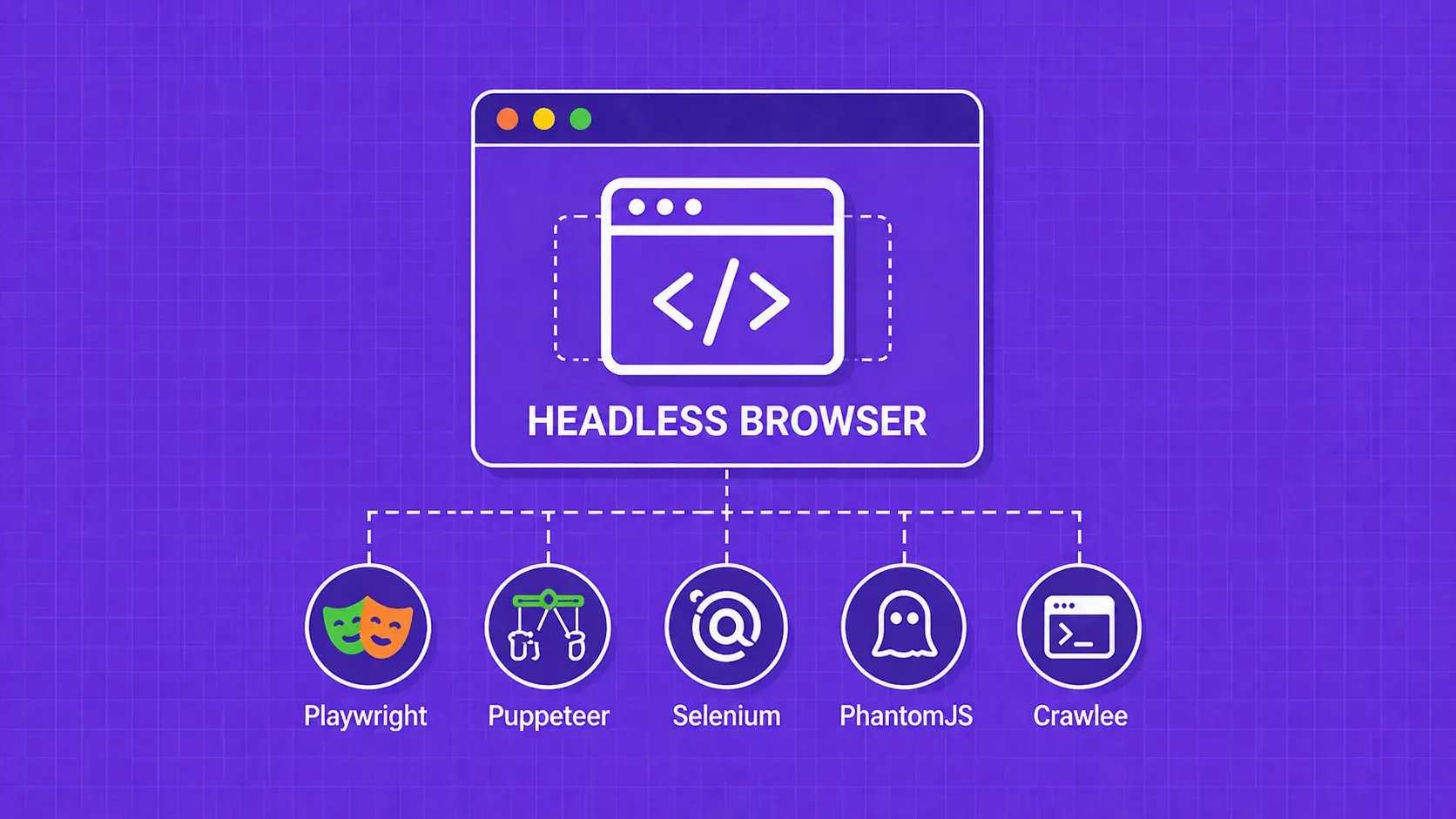
- Dynamic Websites: Usage of a headless browser to render Javascript and access all the page’s data.
- IP blocks: Usage of rotating proxies. With each request, the API uses a different IP from its pool of 100+ million datacenter, mobile, and residential proxies across hundreds of ISPs and regions.
- CHAPTCHAs: automatically proxies rotation, wait time randomization, user-agent, browser, and device details to circumvent captchas entirely.
- Fingerprinting: Constant change of your perceived details — so websites see the different requests you send as coming from various visitors. Users can set their custom headers to get customized results, while the anti-fingerprinting functions are automatic.
Now that we have accumulated a consistent background of information and strengthened our foundations about what an API is (even when it comes to web scraping) let’s move on to the most exciting part. What are the advantages of using an API, even if it comes to web scraping?