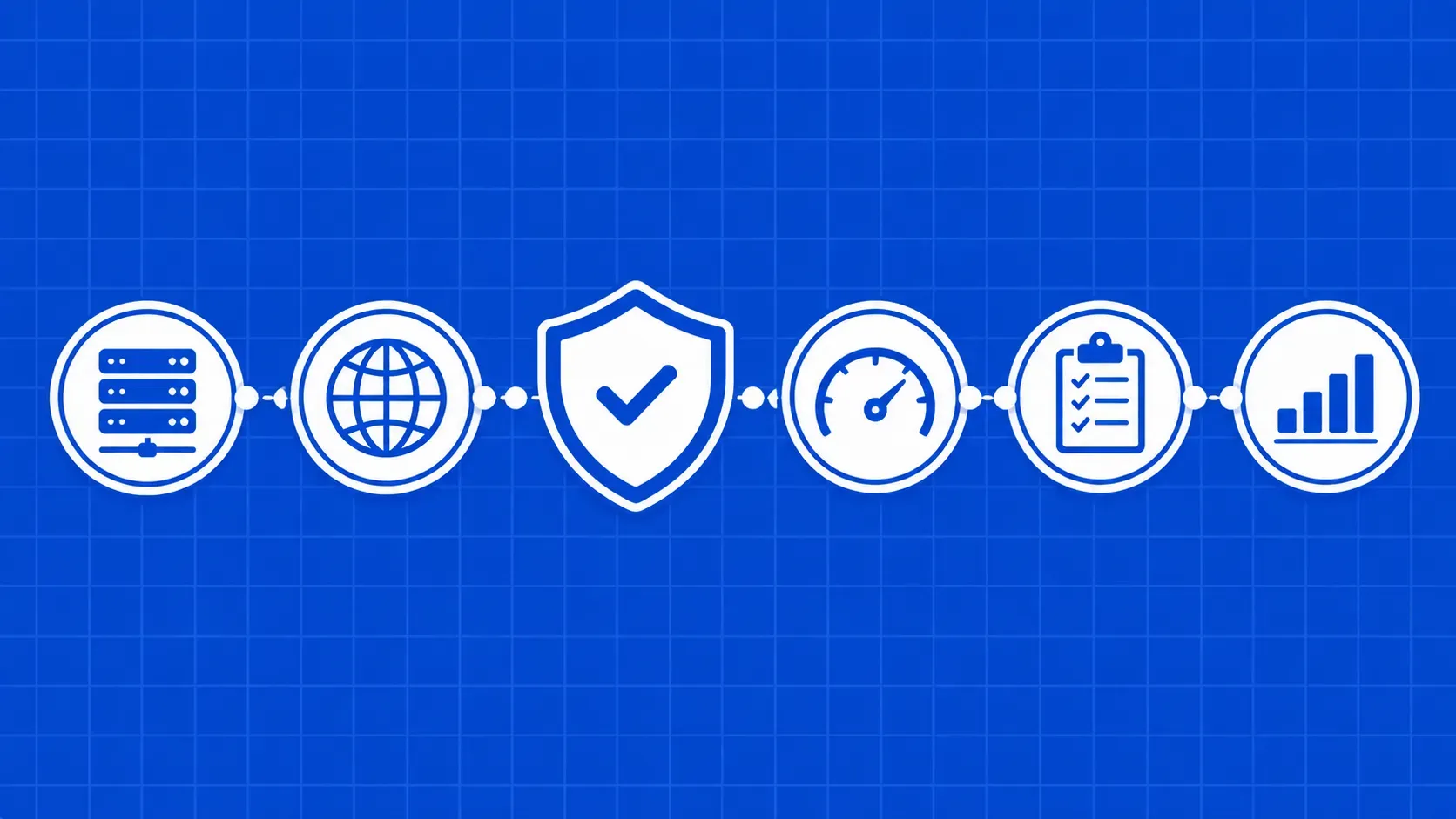
TL;DR: Bad proxies are expensive. They burn bandwidth, trigger bans, and silently corrupt the data your scrapers depend on. This guide shows how to test proxies across five health signals (connectivity, exit IP, speed, anonymity, and reputation) using ping, curl, online checkers, IP databases, and a reusable Python script you can drop into your CI pipeline.
If you have ever watched a scraper quietly fail at 3 a.m. because half of its proxies stopped responding, you already know why learning how to test proxies before they touch production traffic matters. Proxy testing is the process of verifying that a proxy actually delivers what its provider advertises: a reachable host, the correct exit IP, acceptable latency, a believable anonymity level, and a clean reputation that target sites will not auto-block.
This is true for both free and paid pools. Free proxy lists are notoriously volatile, and even premium residential or datacenter plans benefit from a quick pre-flight check because configurations drift, gateways rotate, and SLA windows are often short.
In this guide we will walk through six concrete methods for testing proxies, from a one-line ping through a reusable Python testing script, plus a decision matrix that tells you which method to use when. Every recipe is copy-paste ready, and every command assumes you care more about catching problems than about counting tools.