Skip to content
Start free
Back to Blog

Web Scraping for Brand Protection: A Developer’s Guide

Valentina DumitrescuLast updated on 12 min read
Web Scraping for Brand Protection: A Developer’s Guide
TL;DR: Web scraping for brand protection helps teams discover and track listings that deserve investigation. Compare observations against approved product and seller records, preserve dated evidence, and send explainable cases to human reviewers rather than automatically declaring products counterfeit or filing complaints.

Web scraping for brand protection is the automated collection of online product, seller, and brand-use information to support monitoring and investigation. Its useful output is an evidence-backed review case: what changed, where it appeared, which reference record it conflicts with, and what a reviewer should check next.

Price intelligence, market research, and lead generation sit next to brand monitoring among the business use cases for web scraping.

Imagine a familiar product image appearing on a new marketplace listing. The price is unusually low, and the seller is absent from your distributor database. That combination deserves attention, but it does not establish that the product is counterfeit. The item could be used, the seller record could be incomplete, or the listing could describe a different pack size.

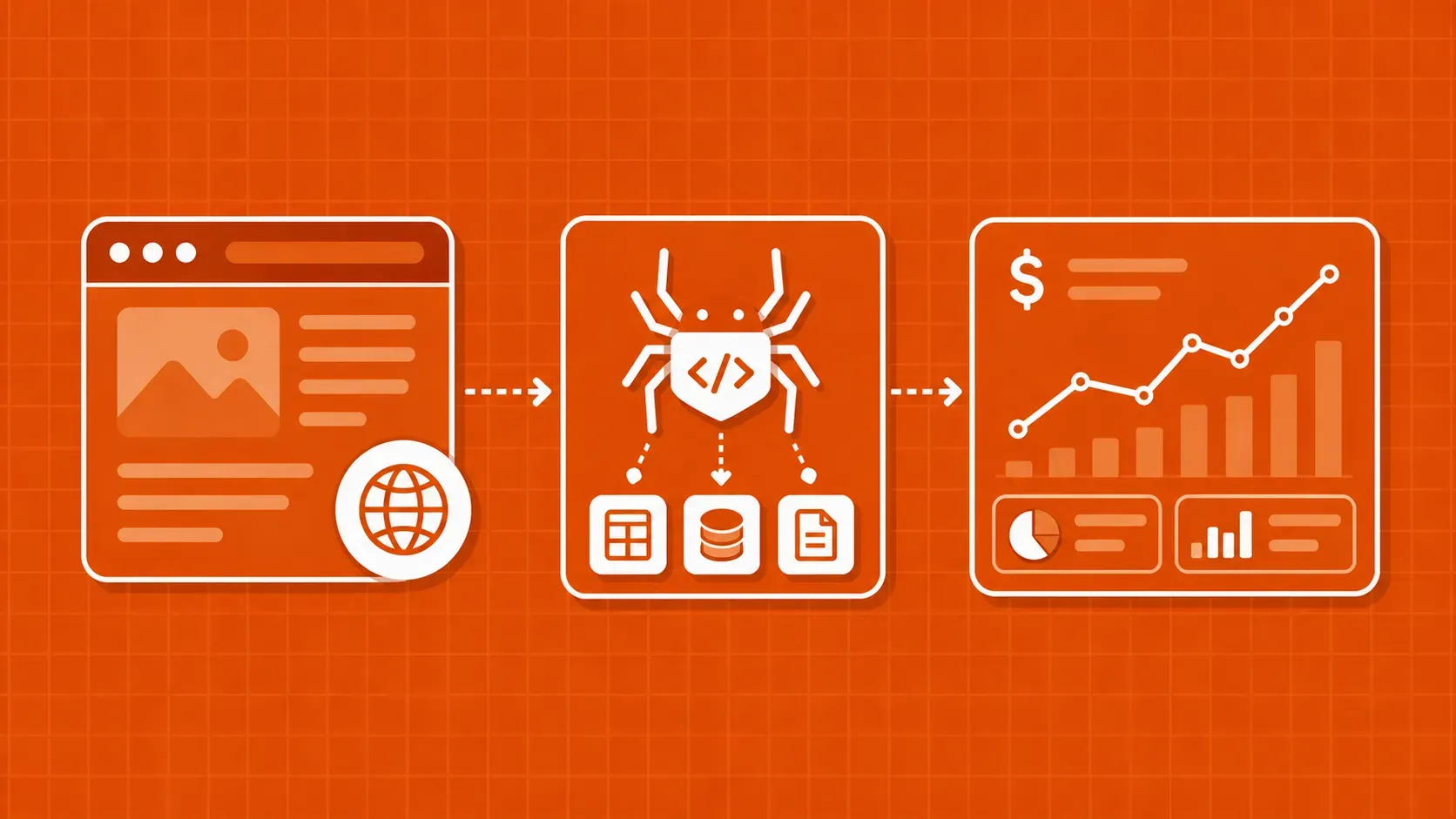
A good monitoring system preserves those distinctions. It reduces the time needed to find and investigate candidates without turning incomplete observations into accusations. This guide shows how to build that system: establish a reference baseline, discover candidates, create stable listing identities, capture evidence, prioritize review, and follow up through official reporting workflows. The implementation focuses on developer-controlled data quality and traceability, with legal and enforcement judgments left to the responsible people.

Define what web scraping for brand protection should detect

Start with review categories, not a single “brand abuse” flag. A listing that copies a product photograph raises a different question from a storefront claiming to be an official distributor. Product authenticity, copyright permission, seller authorization, and pricing discrepancies need different evidence and different owners.

Review category

Observation that can trigger review

What the observation cannot establish alone

Suspected product mismatch

Model identifiers or packaging differ from reference

Whether the physical product is counterfeit

Claimed affiliation

Storefront says it is an official brand store

Whether the statement is authorized or legally actionable

Image reuse

Listing resembles a controlled product asset

Whether the seller has a license or another valid basis

Distribution exception

Seller absent from current approved records

Whether resale is unlawful

Price anomaly

Like-for-like offer differs from reference range

Whether a rights violation occurred

Keep the labels tentative. “Needs authenticity review” is a defensible machine output. “Counterfeit seller” usually is not. Review queues should make the gap between observation and conclusion visible rather than hiding it behind a numerical score.

The USPTO describes US trademark infringement in terms of rights and likely consumer confusion, with case-specific factors affecting the analysis. A matching brand string is therefore not an infringement test. USPTO guidance on trademark infringement

Define the scope before implementation: product families, marketplaces, countries, languages, and issue categories. Assign a review owner to each category. A pricing team can assess an apparent price discrepancy; the rights owner or authorized representative decides whether an intellectual property report is justified.

This division keeps web scraping for brand protection useful to multiple teams without pretending they are all making the same decision.

Build the product and seller baseline first

Your reference database is as important as the crawler. Start with approved product identifiers, model names, packaging versions, brand spellings, and controlled image assets. Add known official stores and authorized seller identifiers where your organization maintains that information.

Version the baseline. A seller may be approved in one territory but not another; an older packaging design may still be legitimate. Store validity dates, scope, and the internal owner responsible for each record. Otherwise an outdated reference table can generate more false alarms than a broken parser.

Separate rights information from commercial relationships. A distributor agreement, image license, trademark registration, and product catalog entry serve different purposes. Store pointers to the approved internal records rather than copying sensitive contractual material into every monitoring case.

Baseline record

Important fields

Owner who should maintain it

Product variant

Product ID, model, pack size, region, release status

Product operations

Approved seller

Platform seller ID, territory, validity dates

Channel operations

Controlled asset

Asset ID, original file digest, permitted use reference

Creative or rights operations

Brand/right record

Brand aliases, right type, territory, documentation reference

Rights owner or legal team

Do not use a seller display name as its durable identity when a platform exposes a stable seller ID. Names can change, and similar names can belong to different accounts. Keep both values so analysts can read a case without losing the stronger identifier.

Web scraping for brand protection should also preserve the baseline version used for each decision. If a reviewer later adds a valid seller alias, you can re-evaluate earlier cases against the corrected reference rather than silently editing history. That makes rule improvements measurable and helps explain why a previously flagged listing is now accepted.

Discover candidates within a documented collection scope

Choose approved APIs, exports, search results, or public listing pages according to access conditions and the data you need. Review applicable terms and crawling policies before scheduling collection. Do not treat a monitoring purpose as automatic permission to bypass a platform’s restrictions.

Build queries from a controlled dictionary: exact brand names, model identifiers, known spelling variants, and relevant product terms. Keep the query and its version with each discovery event. This lets you explain why a listing entered the system and distinguish broader search coverage from a genuine increase in incidents.

Discovery should produce candidates, not accusations. Search snippets may omit important qualifiers such as “compatible with,” “used,” or “replacement packaging.” Fetch the approved listing view before assigning substantive review reasons.

Use bounded jobs with a host allowlist, page limits, request timeouts, per-host concurrency, and a clear stopping condition. Record rate-limited, blocked, missing, and successfully collected outcomes separately. A login page or challenge response must not become a snapshot of a supposedly removed listing.

For marketplace-specific extraction considerations, the guide to collecting eBay listing data provides supporting context. Price observations belong in brand monitoring only when their meaning is carefully qualified: compare currency, quantity, condition, and offer type before treating a difference as noteworthy.

Report coverage as a documented sample of monitored sources and queries. No finite set of crawlers proves that a brand has no problematic listings elsewhere. Web scraping for brand protection becomes more credible when dashboards show the collection boundary alongside the results.

Model listing identities and snapshots separately

Use a stable listing key such as platform plus listing ID, with a variant or offer identifier where needed. A URL alone can change through tracking parameters, localization, or seller edits. Keep the original discovered URL and the resolved page URL as evidence, but do not rely on either as your only identity field.

Every observation should create an immutable snapshot linked to that listing key. Store the observed title, seller ID, product identifiers, price context, availability, capture time, and parser version. Missing fields remain unknown; they should not overwrite previously verified values as if their absence were a confirmed change.

Layer

Question it answers

Example key

Discovery event

How did we find this candidate?

Query ID and discovery timestamp

Listing record

Which continuing offer are we tracking?

Platform and listing ID

Snapshot

What did the collector observe on this visit?

Snapshot UUID

Review case

What issue is being investigated?

Case ID and issue category

Action record

What did a human submit or decide?

Case ID and action sequence

This structure prevents repeated crawls from creating a new case every time a price changes. It also prevents one case from swallowing unrelated concerns about the same listing. An image-use question and an authenticity question may share snapshots but require separate decisions.

Compare normalized fields for meaningful changes, then preserve original values for inspection. Strip known tracking parameters for matching only; keep the actual evidence URL intact. Avoid raw HTML hashes as your sole change detector because session tokens, recommendation panels, or timestamps can alter the page without changing the product.

The same distinction applies to website change monitoring: detect relevant field changes while retaining enough surrounding context to explain them.

Preserve evidence without overstating what it proves

Capture the listing text and a screenshot when they help a reviewer understand the issue. Record the source URL, final URL, UTC capture time, locale, selected variant, and relevant browser state. A screenshot without context can show a price or image while hiding which offer produced it.

Playwright supports page screenshots, full-page screenshots, and element screenshots. Its documentation describes full-page capture as covering the scrollable page. Choose the format that preserves the disputed claim and enough surrounding context to interpret it. Playwright screenshot documentation

For dynamic pages, wait for the specific content you intend to capture. “Navigation finished” does not guarantee that a selected product variant or seller panel is ready. A full-page screenshot also does not guarantee that every lazy-loaded asset was rendered. Record capture errors rather than silently saving an incomplete image as complete evidence.

Hash the exact bytes of stored artifacts and retain the digest in a manifest. The example below uses synthetic bytes to demonstrate reproducible integrity checks without accessing a marketplace or writing files.

import hashlib
import json


def manifest_for(artifacts):
    return {
        name: {
            "bytes": len(content),
            "sha256": hashlib.sha256(content).hexdigest(),
        }
        for name, content in sorted(artifacts.items())
    }


artifacts = {
    "listing.txt": b"Synthetic listing: example model, used condition",
    "capture-context.json": json.dumps(
        {"listing_id": "demo-123", "observed_at": "2026-09-10T10:00:00Z",
         "locale": "en-GB", "capture_kind": "synthetic_fixture"},
        sort_keys=True,
    ).encode("utf-8"),
}

manifest = manifest_for(artifacts)
assert manifest == manifest_for(dict(reversed(list(artifacts.items()))))
changed = {**artifacts, "listing.txt": artifacts["listing.txt"] + b" edited"}
assert manifest["listing.txt"]["sha256"] != manifest_for(changed)["listing.txt"]["sha256"]
assert manifest["capture-context.json"] == manifest_for(changed)["capture-context.json"]
print("Integrity checks passed for", len(manifest), "synthetic artifacts")

Python’s hashlib documentation specifies SHA-256 support and digest operations. Here, the digest lets you detect whether stored bytes differ from the bytes originally hashed. It does not prove when a real page existed, who published it, or that the capture is legally sufficient evidence.

Keep original artifacts read-only, record subsequent access and transformations, and apply appropriate retention and access policies. A reviewer’s annotated screenshot should be a separate derivative, not a replacement for the original. Web scraping for brand protection benefits from this traceability even when the evidence is used only for internal investigation.

Prioritize review with explainable signals

Prefer reason codes over an unexplained risk score. A case might contain seller_not_in_reference, official_store_claim, and product_identifier_mismatch. Each reason should point to the observation and baseline entry that produced it.

Combine signals carefully. A low price and an unfamiliar seller can prioritize review, but both may have ordinary explanations. Check used condition, incomplete bundles, regional versions, quantity, and time-limited promotions before escalating. Your system should be able to withdraw a reason when better evidence arrives.

Use three distinct confidence questions: did extraction work, did the listing match the intended product, and does the observation justify review? Strong extraction confidence does not imply strong product matching. Keeping these separate prevents a precise parser from lending false certainty to a weak inference.

Image similarity needs the same restraint. A close match can help discover reused imagery, while cropping, compression, and layout changes affect comparisons. Similarity alone does not tell you whether reuse was authorized. Store the reference asset ID and match explanation for a person to assess.

Provide a review screen or export with the current snapshot, relevant baseline, triggered reasons, and previous decisions. Let reviewers select outcomes such as accepted explanation, insufficient evidence, needs specialist assessment, or approved for reporting. Capture a short rationale rather than just a binary button.

For web scraping for brand protection, false-positive reduction is an engineering outcome. Feed reviewed exceptions back into versioned rules, but scope them narrowly. Accepting one seller’s use of one asset should not suppress every future listing from that seller.

Use official reporting channels and verify subsequent changes

Once an authorized reviewer decides that a report is warranted, prepare a case packet suited to the platform’s current process. Include the listing identifier, relevant right, supporting observations, and the reviewer’s specific rationale. Do not substitute a model-generated accusation for a substantiated report.

eBay’s intellectual property policy identifies its Verified Rights Owner program as a route for rights owners to report listings or items that infringe their protected rights. The same policy explains that a brand name can be used when selling a branded product, while misleading claims of authorized status are a different concern. Follow the current requirements for the actual issue. eBay intellectual property and VeRO policy

Keep reporting as an explicit human-controlled step. The collector can assemble evidence and populate an internal draft, but submission should record who approved it and which evidence they relied on. A platform’s decision is an external outcome, not something your crawler can guarantee.

Store the submission reference and response alongside the case. Recheck the listing using the same collection context when practical. Distinguish content changed, unavailable, access failed, and confirmed platform action. A missing page alone does not explain why it disappeared.

If a similar listing appears under a new identifier, create a new observation and link it as a possible recurrence. Do not automatically carry over a previous legal conclusion. The new offer may differ in seller, condition, product, or permissions.

This closes the monitoring loop without turning web scraping for brand protection into automatic enforcement. Your system helps people act on better evidence and then measures what actually happened.

Key Takeaways

  • Define separate review categories for authenticity, affiliation, image use, distribution, and price anomalies.
  • Version approved product, seller, and rights references so decisions can be reconstructed.
  • Keep stable listing identities separate from snapshots, cases, and action records.
  • Preserve original evidence and hashes while documenting their limits.
  • Require human approval for reports and distinguish unavailable pages from confirmed enforcement outcomes.

FAQ

Can monitoring detect listings that do not mention the brand name?

Sometimes. Product identifiers, controlled images, and distinctive model descriptions can reveal candidates that keyword searches miss. These methods also introduce ambiguous matches, so treat them as discovery aids. Evaluate each method against a reviewed sample and record which query or matching method found the candidate. Coverage should remain a measured claim rather than an assumption.

Should customer reviews become evidence of counterfeiting?

They can provide investigation leads, but they should not be treated as proof by themselves. A review may describe delivery damage, a mistaken product expectation, or an unrelated seller experience. Preserve relevant context if collection is approved, avoid unnecessary personal information, and have the responsible team decide whether further product or transaction evidence is needed.

How should teams handle region-specific packaging?

Maintain region and validity information in the reference catalog and route unfamiliar variants for product-team review. Packaging differences may reflect legitimate localization, redesigns, or older stock. If the monitoring system cannot resolve the variant, mark the match uncertain. Do not train a rule to equate every departure from the newest domestic packaging with an authenticity problem.

Conclusion

Effective web scraping for brand protection starts with a disciplined evidence model. Collectors discover candidates, snapshots preserve observations, matching rules explain discrepancies, and reviewers decide what those discrepancies mean. Keeping these stages separate makes the system easier to improve and less likely to generate unsupported complaints.

Begin with one product family and one approved collection surface. Review the first batch in detail, correct baseline gaps, and test whether your evidence packet gives the responsible team enough context to make a decision. Expand only after you understand both the useful detections and the false positives.

If browser capture is required, the Playwright automation guide offers supporting implementation context. Keep capture behavior reproducible and preserve the original artifacts before creating annotations or summaries.

When maintaining page retrieval starts to distract from monitoring quality, evaluate WebScrapingAPI’s Scraper API for your approved sources. Your product baseline, evidence standards, and human review process remain the foundations of a trustworthy brand protection workflow.

About the Author

Valentina Dumitrescu, UI/UX Designer @ WebScrapingAPI

Valentina Dumitrescu

UI/UX Designer

Valentina Dumitrescu is a UX/UI Designer at WebScrapingAPI, crafting intuitive interfaces and user experiences that make the platform easier and more enjoyable to use.

Alternative Data Scraping for Finance: Sources & Pipelines
Use Cases

Alternative Data Scraping for Finance: Sources & Pipelines

TL;DR: Alternative data scraping uses web collection techniques to gather non-traditional datasets (product pricing, sentiment, job postings, regulatory filings) that reveal market signals before they appear in earnings reports. This guide walks you through the highest-value data sources, how to build financial-grade pipelines, data quality validation, and the compliance guardrails you need to stay on the right side of the law.

Mihnea-Octavian Manolache15 min read
Read Article
What Is Financial Data? Types, Sources, and Analysis Tools
Use Cases

What Is Financial Data? Types, Sources, and Analysis Tools

TL;DR: Financial data is the collection of quantitative records (income, expenses, assets, liabilities, cash flow) that organizations and individuals use to make informed economic decisions. This guide breaks down the four core financial statements, compares traditional and alternative data sources, walks through modern collection methods, and covers the tools professionals rely on for analysis.

Suciu Dan13 min read
Read Article
XPath vs CSS Selectors: Choosing the Right One
Use Cases

XPath vs CSS Selectors: Choosing the Right One

TL;DR: XPath and CSS selectors both locate DOM elements, but they solve different problems. CSS selectors are faster and more readable for straightforward selections. XPath wins when you need to traverse the DOM in any direction, match text content, or handle complex conditional logic. Most production projects benefit from using both strategically.

Mihai Maxim12 min read
Read Article

Start Building

Ready to Scale Your Data Collection?

Join 2,000+ companies using WebScrapingAPI to extract web data at enterprise scale with zero infrastructure overhead.