Back to Blog
Science of Web Scraping
Ștefan RăcilăLast updated on May 8, 202610 min read

Best Web Scraping Courses for Developers

Best Web Scraping Courses for Developers
TL;DR: The best web scraping courses depend on your language, level, and target use case. This guide compares five paid picks across Udemy, Coursera, DataCamp, and Packt, points to free supplements like official docs, and shows how to bridge from finishing a course to running production scrapers.

If you can write a script that pulls clean, structured data from messy public web pages, you have a skill that ecommerce, finance, real estate, and SEO teams will pay for. The hard part is choosing where to learn it. There are dozens of options, the libraries keep evolving, and most round-ups read like affiliate dumps with no opinion attached.

This guide is the opposite. We pulled together what we think are the best web scraping courses online for 2026, scored them against a transparent rubric, and built a quick comparison table so you can shortlist in under five minutes. A web scraper, in case you want the snippet-friendly definition, is just a script or application that collects structured and semi-structured data from websites for research, monitoring, or downstream analytics.

We cover four Python picks (Udemy, Coursera, DataCamp), one JavaScript pick (Packt), free supplements worth bookmarking, and a decision framework that maps your goal (ecommerce, SERP, real estate, finance) to the right path. We also flag where source pricing or curriculum details need verification on the live page.

Why investing in a web scraping course pays off

Web scraping sits at the intersection of three skills that hiring managers actively search for: Python or JavaScript fluency, HTTP and HTML literacy, and basic data engineering. Companies in ecommerce, real estate, stock trading, and competitive intelligence all need cost-effective ways to pull near real-time data from public sources, and most of them would rather hire a developer who has already built a working scraper than train one from scratch. A focused course compresses months of trial and error into a structured path, so even a budget pick can pay for itself the first time a recruiter sees "built a production crawler" on your resume.

How we evaluated the best web scraping courses

To rank the best web scraping courses for this list, we scored each one against seven criteria so the trade-offs are visible up front:

  • Prerequisites: what you need to know before day one
  • Language coverage: Python, JavaScript, or both
  • Libraries taught: Beautiful Soup, Scrapy, Selenium, Cheerio, Playwright
  • Hands-on projects: real sites, not just toy examples
  • Price tier: free, low, mid, or premium
  • Certificate: useful if you need a credential
  • Recency: does it cover modern tools or legacy ones

Quick-glance comparison of the top picks

A scannable view of the best web scraping courses below across the variables that drive a buying decision: language, level, libraries, length, price tier, and use case.

Course

Platform

Language

Level

Core libraries

Length

Price tier

Best for

Building a Web Scraping Bot with Python

Udemy

Python

Beginner

Beautiful Soup

Short

Low (sale)

First scraper, static pages

Web Scraping and API Fundamentals in Python

Udemy

Python

Intermediate

Beautiful Soup, requests, APIs

Medium

Low (sale)

Gated content, JS pages, APIs

Data Collection and Processing with Python

Coursera (U-M)

Python

Intermediate

requests, JSON tooling

Medium

Free with aid

Data-science track learners

Web Scraping in Python

DataCamp

Python

Intermediate

Scrapy, XPath

~4 hours*

Subscription

Scalable, structured crawlers

Learning Web Scraping with JavaScript

Packt

JavaScript

Intermediate

Cheerio, Node.js (verify)

Video course

Subscription

JS-first devs, ecommerce/hotel scraping

*DataCamp length and pricing details are flagged for verification. Confirm on the live course page before you commit.

Best Python web scraping courses

Python dominates this list for a reason: Beautiful Soup, Scrapy, Selenium, and Playwright all have first-class Python bindings, and the data ecosystem (pandas, notebooks) is hard to beat.

Building a Web Scraping Bot with Python (Udemy)

The classic "first scraper" course. It assumes basic Python and walks you through Beautiful Soup, static HTML, and small projects like email automation and pulling fields off a simple page. No Scrapy, no headless browser, no anti-bot coverage, which is the right scope for absolute beginners.

Udemy list prices are misleading because the platform reportedly runs several promotional cycles a year, often discounting courses by roughly 50 to 80 percent. Wait for a sale and the course typically lands in the low single-digit dollar range. Skip it if you already know how requests and a parser fit together. Otherwise, a solid guided ramp into your first working scraper.

Web Scraping and API Fundamentals in Python (Udemy)

This is the natural step up from the beginner Udemy course, and the one to take if you want to scrape sites that fight back. The curriculum covers gated or login-locked content, scraping JavaScript-rendered pages, hitting REST APIs directly when they exist, and rate limiting your requests. Prerequisites are basic Python 3, ideally with the Anaconda distribution installed.

Coursemarks reportedly shows the course around a 9.2 out of 10 rating, though that figure was flagged for verification, so check the current score before you cite it. Time your purchase to a sale and verify the latest curriculum, since instructors update modules over time.

Data Collection and Processing with Python (Coursera, University of Michigan)

Part of the U-M Python 3 Programming specialization, this stands out because it treats scraping as one piece of a wider data-handling story. Expect serious time on JSON parsing, REST API consumption, caching, and complex nested data structures, which is the kind of plumbing you will use every day on a data team. The official prerequisites are Python Basics and Python Functions, Files and Dictionaries, so do not skip in.

The hidden value here is cost. Coursera offers Financial Aid on most paid courses, which means you can take this for free if you do not need the certificate. Submit a short application and wait.

Web Scraping in Python (DataCamp)

DataCamp's track is the most opinionated of the bunch and the one I would point a future data engineer to. The reported structure is around 17 short video modules totaling roughly four hours, with heavy use of Scrapy and a deliberate emphasis on understanding HTML structure and XPath notation rather than bashing find_all on a soup object. The intermediate-Python prerequisite is real.

DataCamp is a subscription platform and reportedly offers a free trial month for new users, which is plenty of time to clear this course. Length and trial details are flagged for verification, so confirm them on the live course page.

Best JavaScript web scraping course

If your stack already runs on Node.js or you need to share scraping logic with a browser frontend, a JavaScript-first path makes sense. There is one paid course on this list worth highlighting for that route.

Learning Web Scraping with JavaScript (Packt)

Packt's video course walks through real-world scenarios such as scraping search engines, hotel sites, and ecommerce pages, with a final module on persisting scraped data to AWS via a Node.js server. Source material describes the curriculum as covering CasperJS and Cheerio, but that detail is flagged for verification, and CasperJS is no longer actively maintained, so confirm the current syllabus before you buy. Realistically, expect Cheerio plus modern alternatives like Puppeteer or Playwright.

Packt reportedly offers a 10-day free trial (verify on their site). The code bundle is provided on GitHub, so you can clone the finished examples on day one.

Free and supplemental learning resources

Production-grade scraping knowledge also lives in official docs and free tutorials:

  • Beautiful Soup, Scrapy, and Playwright docs: the canonical references, deeper than most video courses.
  • freeCodeCamp tutorials: free multi-hour project walkthroughs on YouTube.
  • Coursera Financial Aid: most paid Coursera courses are free without a certificate.

How to pick the right course for your goals

Choosing between the best web scraping courses usually collapses to four questions:

  1. Which language do you already know? If your day job is Python, stay in Python. If you live in Node.js, the Packt path saves the context switch.
  2. What will you scrape first? Static blogs and product listings are Beautiful Soup territory. SERP and login-gated dashboards need headless browsers and rotating IPs. Real estate and ecommerce reward Scrapy.
  3. What is your budget? Coursera Financial Aid is free, Udemy on sale is cheap, DataCamp and Packt are subscriptions.
  4. Do you need a certificate? Only Coursera issues one recruiters recognize.

Skills to build after finishing your course

No course gets you all the way to production. The real curriculum starts the day after:

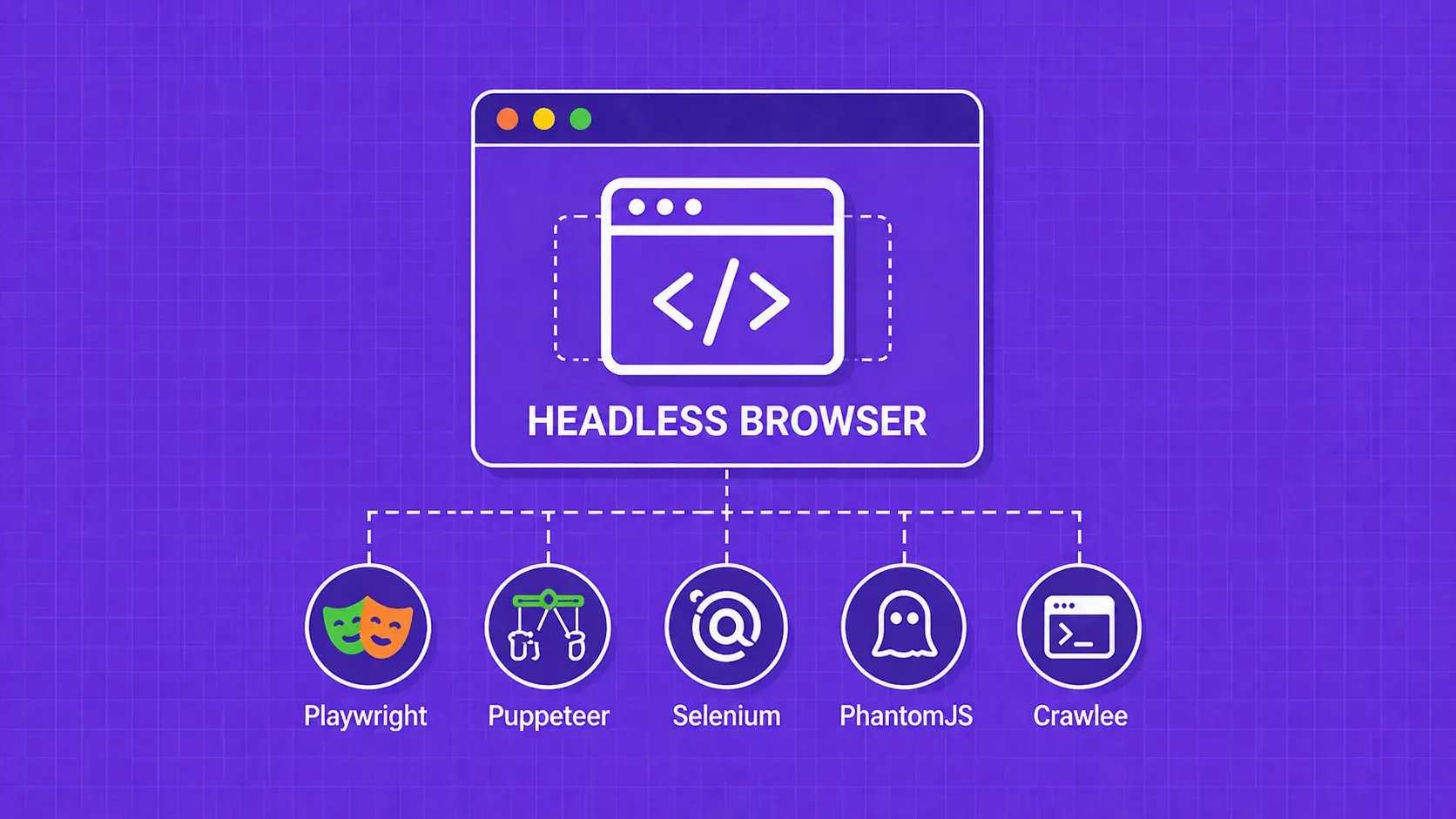
  • Headless browsers. Playwright and Puppeteer for JS-heavy sites, Selenium for legacy stacks. See our Playwright and Selenium guides.
  • Anti-block tactics. User-agent rotation, header hygiene, request pacing, and TLS fingerprinting, covered in our tips on avoiding IP bans.
  • Proxies. Residential rotation, sticky sessions, and geo-targeting for country-specific data.
  • Crawling at scale. Scrapy pipelines, deduping, and retries, plus patterns from our beginner web crawler guide.
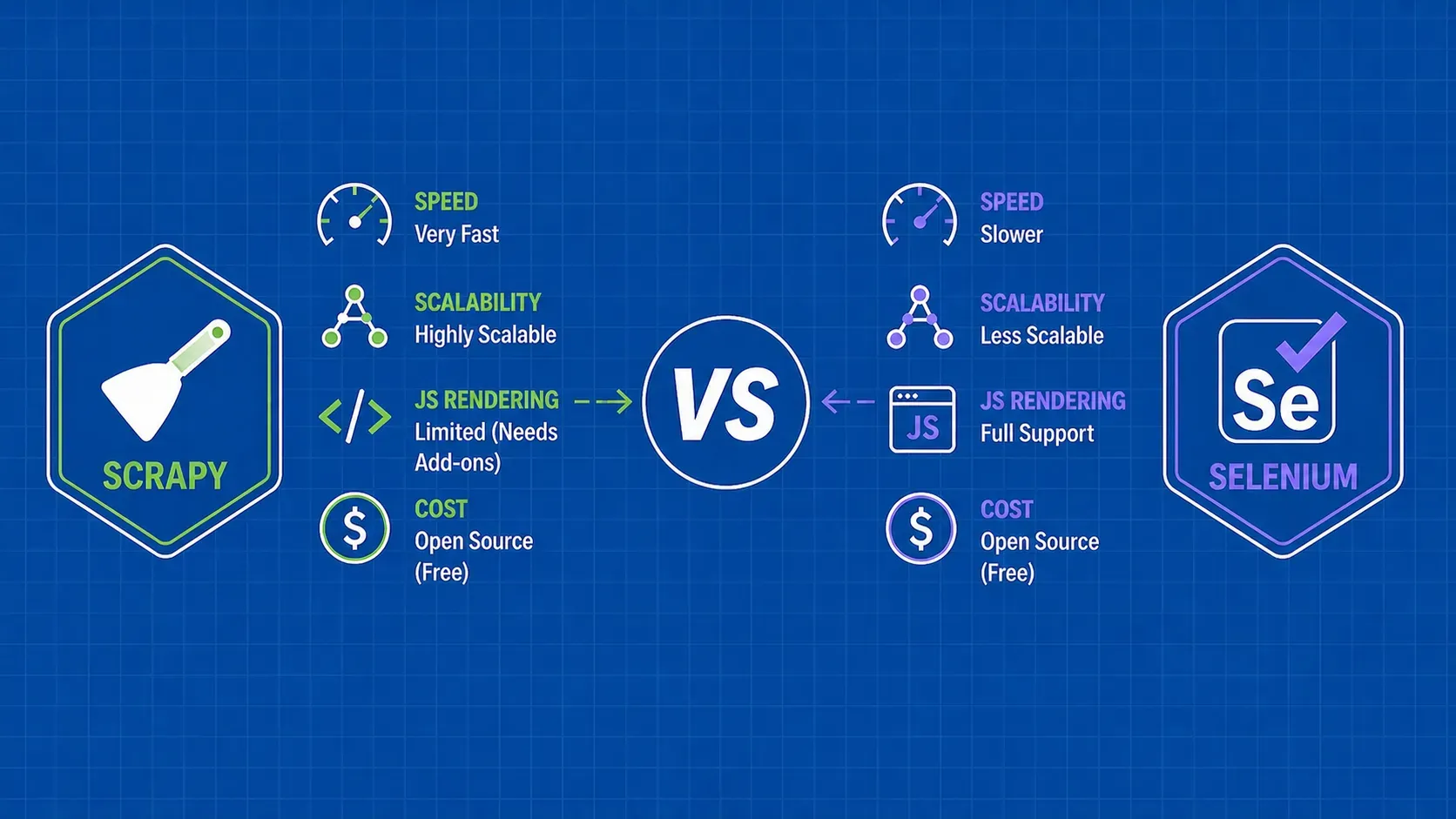
  • Tool selection. Choosing Scrapy versus Beautiful Soup, or Cheerio versus Playwright, is a senior skill.

Key Takeaways

  • The best web scraping courses match your existing language, target use case, and budget. There is no universal number-one pick.
  • Python is the safer default thanks to Scrapy, Beautiful Soup, and the wider data ecosystem; JavaScript wins if your team already lives in Node.js.
  • Treat advertised pricing and length as starting points: Udemy sales, DataCamp trials, and Packt trials change often, and several details here are flagged for verification.
  • A course gets you to a working scraper; proxies, headless browsers, anti-bot tactics, and scaling are what get you to a production scraper.
  • Free supplements (official docs for Beautiful Soup, Scrapy, Playwright, and Coursera Financial Aid) can replace a paid course if you stay disciplined.

FAQ

Is Python or JavaScript better for learning web scraping?

Python is the better starting point for most learners. Its scraping ecosystem (Beautiful Soup, Scrapy, Selenium, Playwright) is more mature, has more tutorials, and integrates directly with pandas and Jupyter for downstream analysis. Choose JavaScript only if your existing codebase is Node.js or you specifically need to share scraping logic with a browser frontend.

Can I learn web scraping for free, or do I need a paid course?

You can absolutely learn it free. Official Beautiful Soup, Scrapy, and Playwright docs are excellent, freeCodeCamp publishes multi-hour tutorials on YouTube, and Coursera's Financial Aid program gives you full access to paid courses without a certificate. Paid courses mostly buy you sequencing and accountability, not unique knowledge.

Do I need to know Beautiful Soup, Scrapy, and Selenium, or just one?

Start with one library, then layer the others as your targets get harder. Beautiful Soup handles static HTML. Scrapy adds crawling, pipelines, and concurrency for larger jobs. Selenium or Playwright become necessary only when JavaScript renders the data you want. Most production scrapers eventually combine at least two.

What should I learn after finishing a web scraping course?

Focus on the production layer: rotating proxies, header and TLS fingerprinting, retry logic, queueing, scheduled crawls, and storage pipelines into databases or warehouses. Learning one headless browser deeply (Playwright is the modern default) and one workflow tool (Airflow, Prefect, or simple cron) covers most of what real scraping jobs need.

Web scraping public data is generally legal in many jurisdictions, but specifics depend on the country, the site's terms of service, and how the data is used (copyright, personal data, and CFAA-style laws all apply). Most technical courses skim this. Read the EFF's primer on web scraping and the law and consult counsel for commercial projects.

Conclusion

Picking from the best web scraping courses is less about chasing a single top option and more about matching the right course to your stack, your first target site, and your budget. The Udemy beginner pick is the cheapest on-ramp, the U-M Coursera course is the strongest free option, DataCamp is the data-engineer path, and the Packt video course is the practical JavaScript route once you confirm what its current syllabus actually covers.

Finishing a course is the easy half. The harder half is what most courses skip: rotating proxies, dodging anti-bot defenses, rendering JavaScript at scale, and keeping crawls running when sites change. That is the gap between a tutorial scraper and a production one.

When you are ready to bridge that gap without rebuilding the request layer from scratch, take a look at WebScrapingAPI. Our Scraper API handles proxy rotation, CAPTCHA solving, and retries behind one endpoint, so you can keep the parsing code you just learned and swap out the part that gets you blocked. Pair it with the next-step skills above and you will graduate from "I took a course" to "I run scrapers in production".

About the Author
Ștefan Răcilă, Full Stack Developer @ WebScrapingAPI
Ștefan RăcilăFull Stack Developer

Stefan Racila is a DevOps and Full Stack Engineer at WebScrapingAPI, building product features and maintaining the infrastructure that keeps the platform reliable.

Start Building

Ready to Scale Your Data Collection?

Join 2,000+ companies using WebScrapingAPI to extract web data at enterprise scale with zero infrastructure overhead.