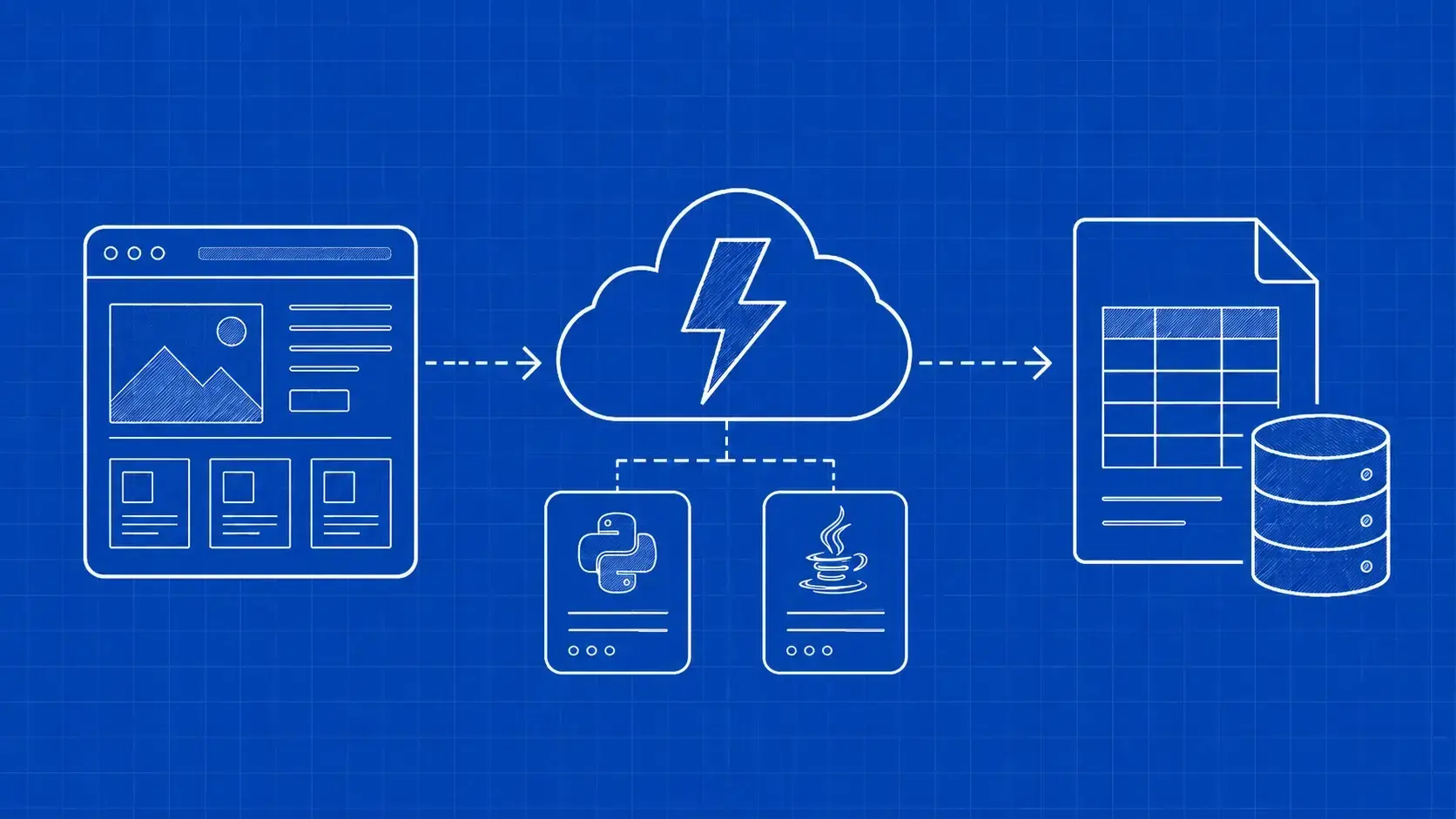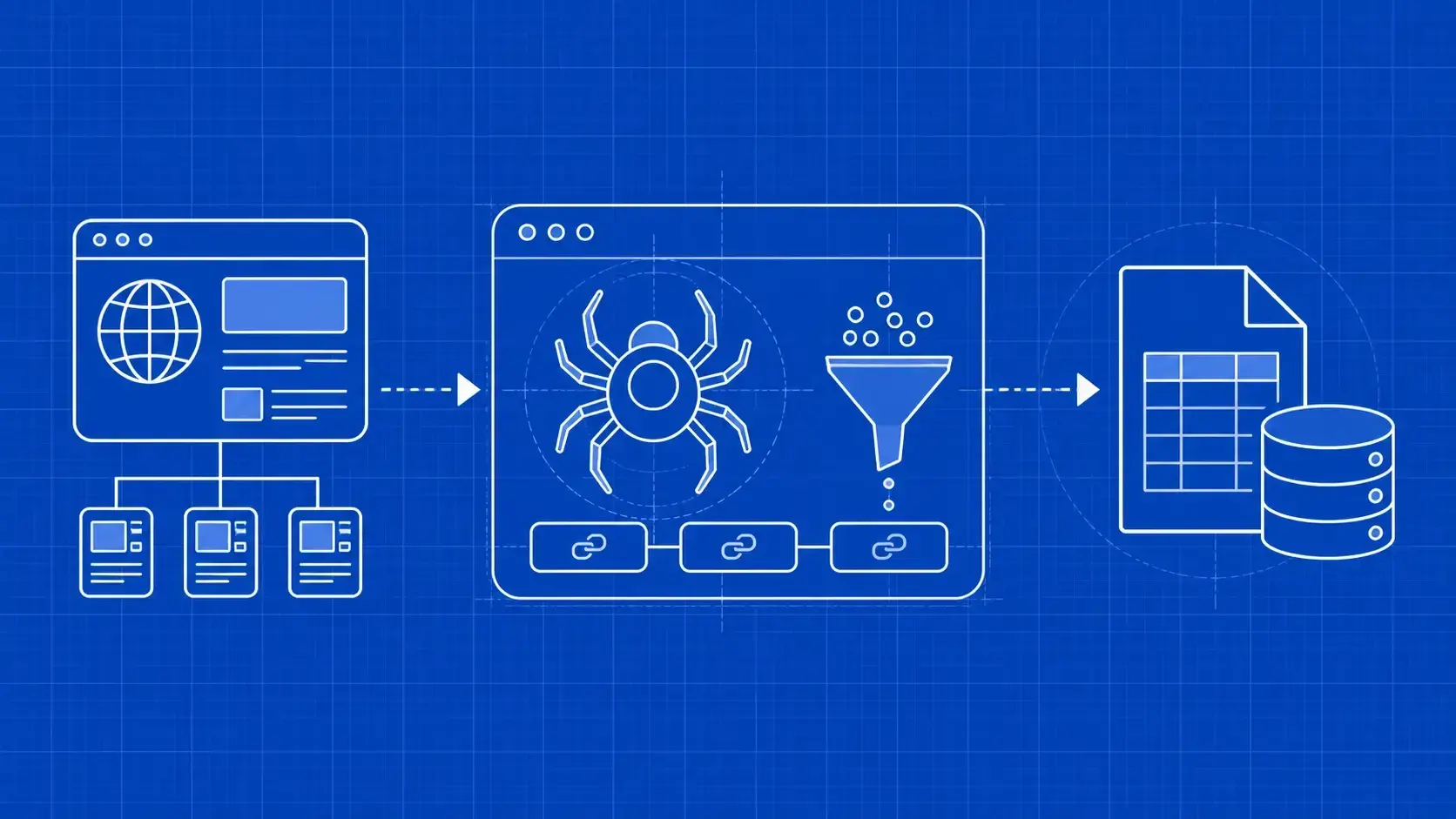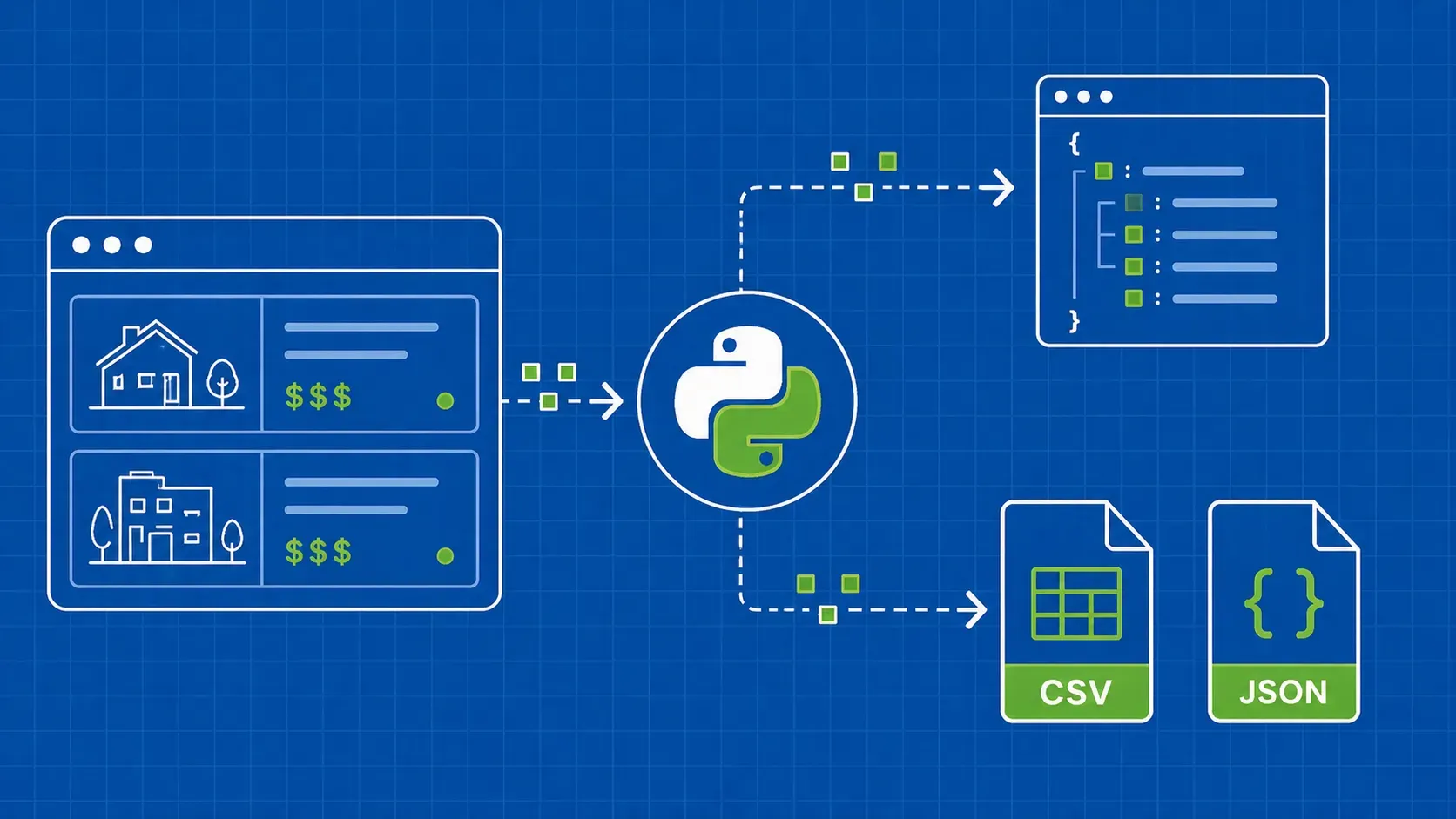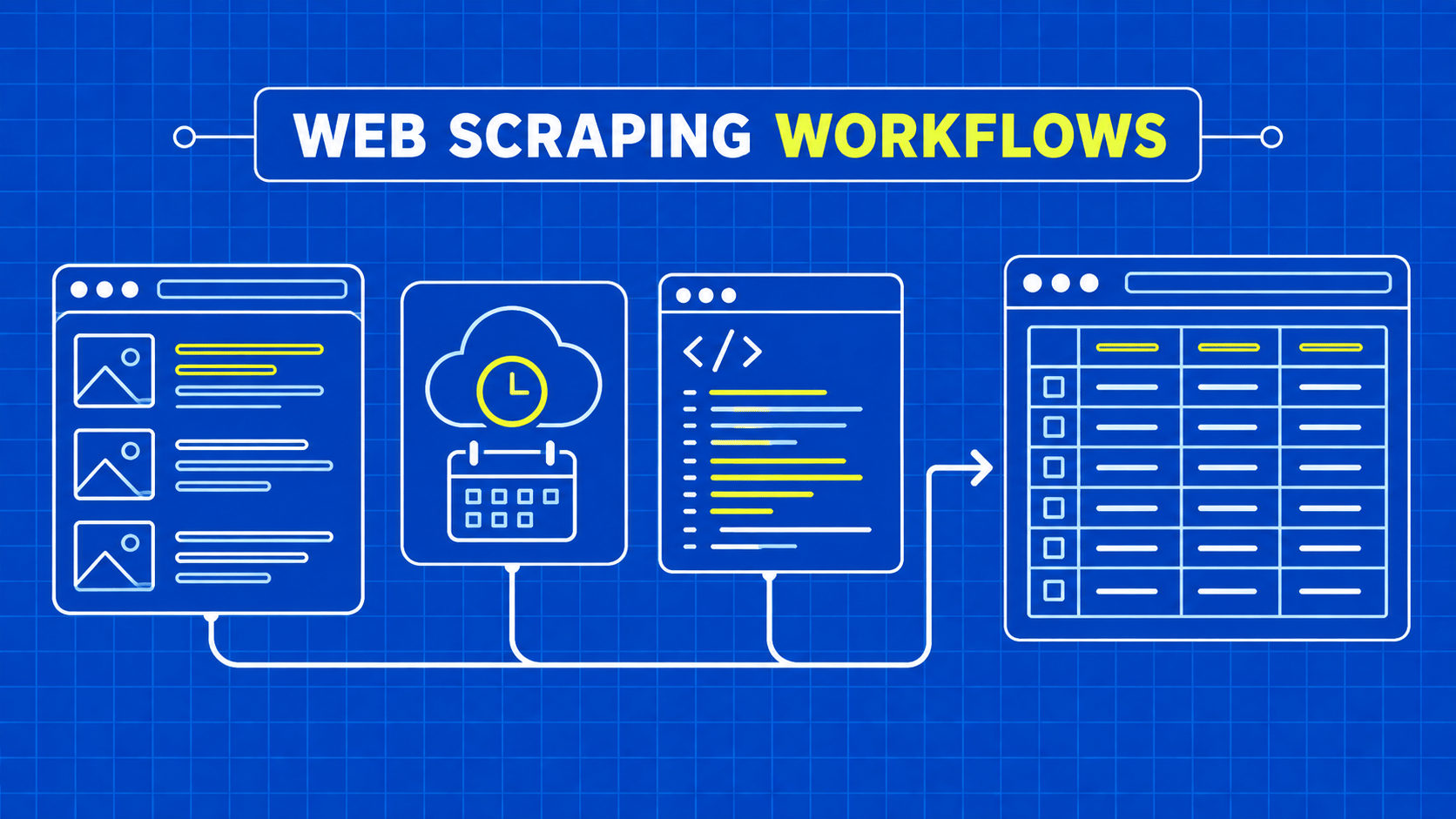
TL;DR: Choose a Web Scraper alternative around the part of your workflow that needs to change: visual authoring, hosted execution, monitoring, or custom browser behavior. Compare Octoparse, Browse AI, Apify, and Playwright using the same navigation rules and expected records before moving a working scraper.
Your scraper returns the first page of a catalog correctly, then quietly misses the remaining categories. Rebuilding it in another tool might help, but it might also reproduce the same mistake. Before choosing a Web Scraper alternative, identify whether the failure belongs to navigation, page state, extraction rules, or the way the job runs.
Here, Web Scraper means the named product at webscraper.io, not the general category of software that collects web data. That distinction matters because its browser extension and cloud offering have different responsibilities. Comparing only the extension against another vendor's hosted platform can produce a misleading conclusion about what the incumbent actually supports.
The following shortlist covers four concrete alternatives with different authoring and operating models. It is a workflow comparison based on current official documentation, not a speed benchmark or a claim that one tool handles every website. You will also get a method for translating an existing data extraction job into a portable specification and testing whether a replacement preserves its behavior.
Use a source you are authorized to collect, a bounded set of pages, and an expected output sample. A successful migration should improve the work you do while keeping the meaning of the resulting data clear.