TL;DR: Alternative data scraping uses web collection techniques to gather non-traditional datasets (product pricing, sentiment, job postings, regulatory filings) that reveal market signals before they appear in earnings reports. This guide walks you through the highest-value data sources, how to build financial-grade pipelines, data quality validation, and the compliance guardrails you need to stay on the right side of the law.
In the world of institutional investing, the firms that see a signal first tend to profit from it. That reality is why alternative data scraping has become a core competency for hedge funds, asset managers, and fintech teams searching for an informational edge.
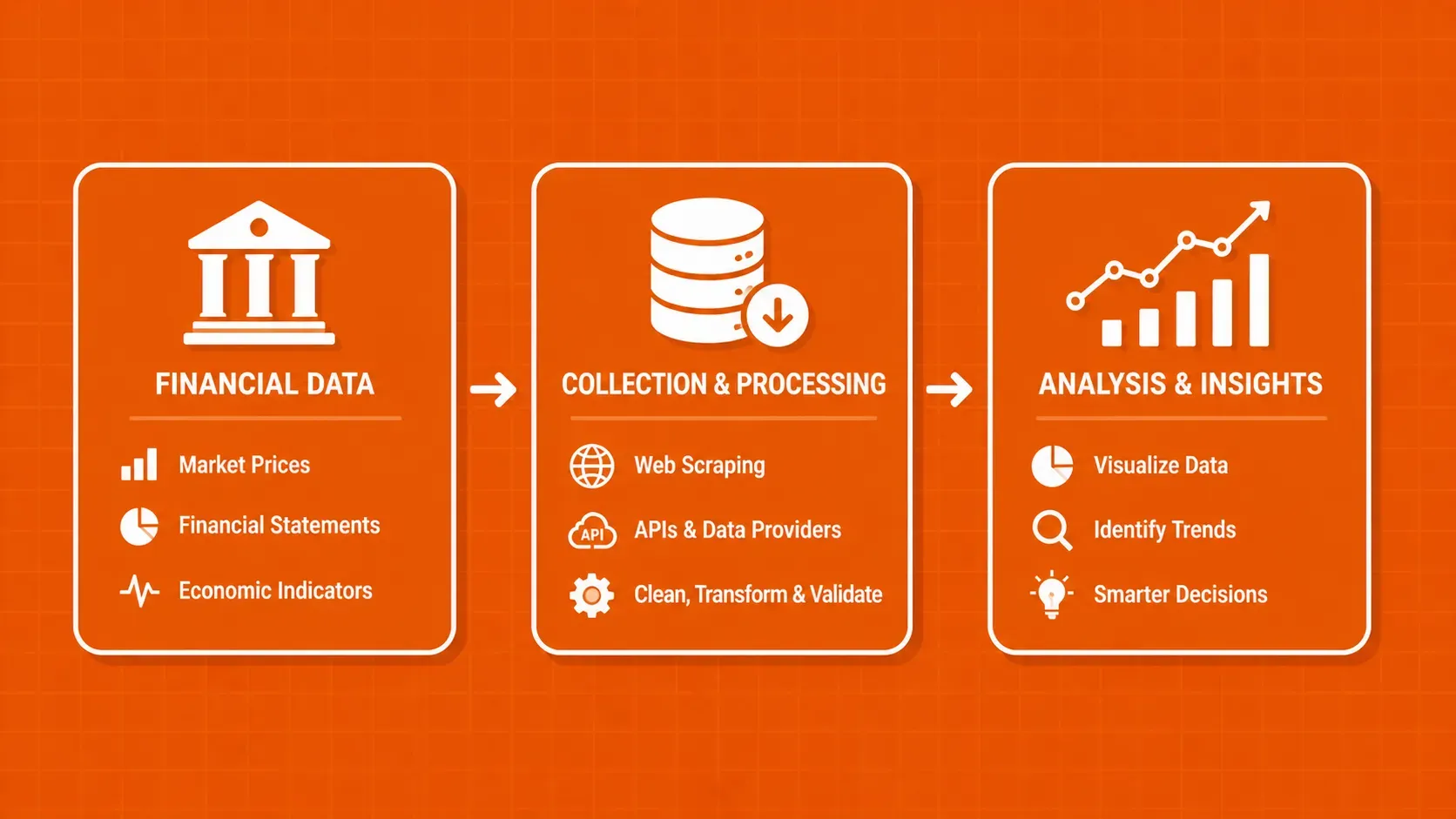
Alternative data is any dataset that falls outside conventional financial statements, market feeds, and economic indicators. Think satellite imagery of parking lots, sentiment extracted from product reviews, or hiring velocity parsed from job boards. These non-traditional signals often surface weeks or months before the same information lands in an SEC filing or quarterly report.
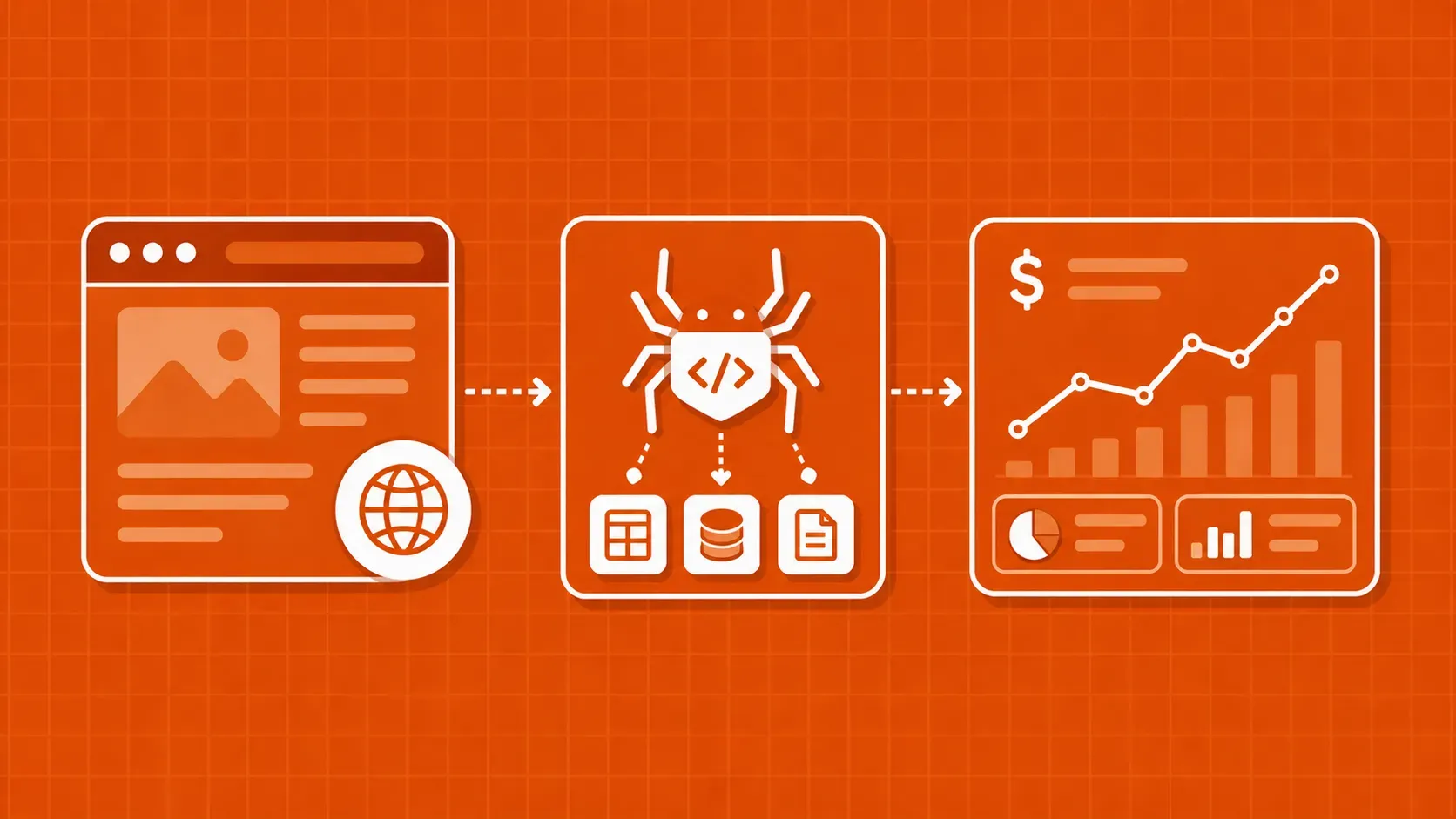
Web scraping is the engine that powers most of this collection. Because the internet updates in near-real time, publicly available web data acts as a leading indicator rather than a backward-looking summary. The challenge is not just accessing it, but collecting it reliably, cleaning it for analytical use, and doing so within legal boundaries.
This guide covers the alternative data sources that deliver the most value to investment research, the practical tradeoffs between purchasing datasets and building custom scrapers, how to construct financial-grade collection pipelines, and the compliance considerations that keep your program defensible.