Web Scraping for Content Marketing: Evidence to Editorial
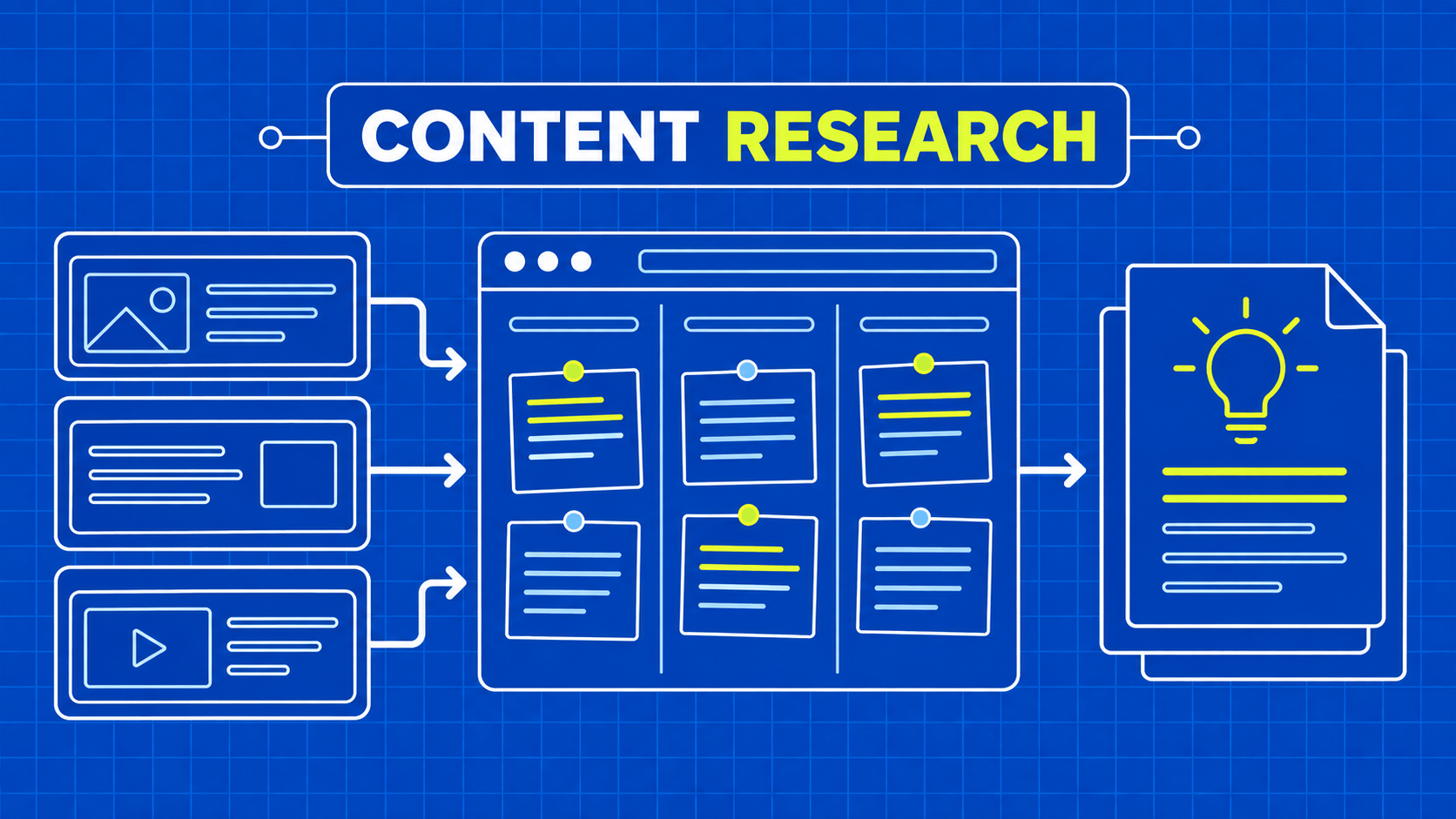
TL;DR: Build an evidence inventory, identify reader-task gaps, and turn reviewed observations into original content. Preserve sources, uncertainty, and clear visual explanations.
Blog
Deep dives into web data infrastructure, extraction techniques, and the future of structured data at scale.
155 articles

TL;DR: Build an evidence inventory, identify reader-task gaps, and turn reviewed observations into original content. Preserve sources, uncertainty, and clear visual explanations.

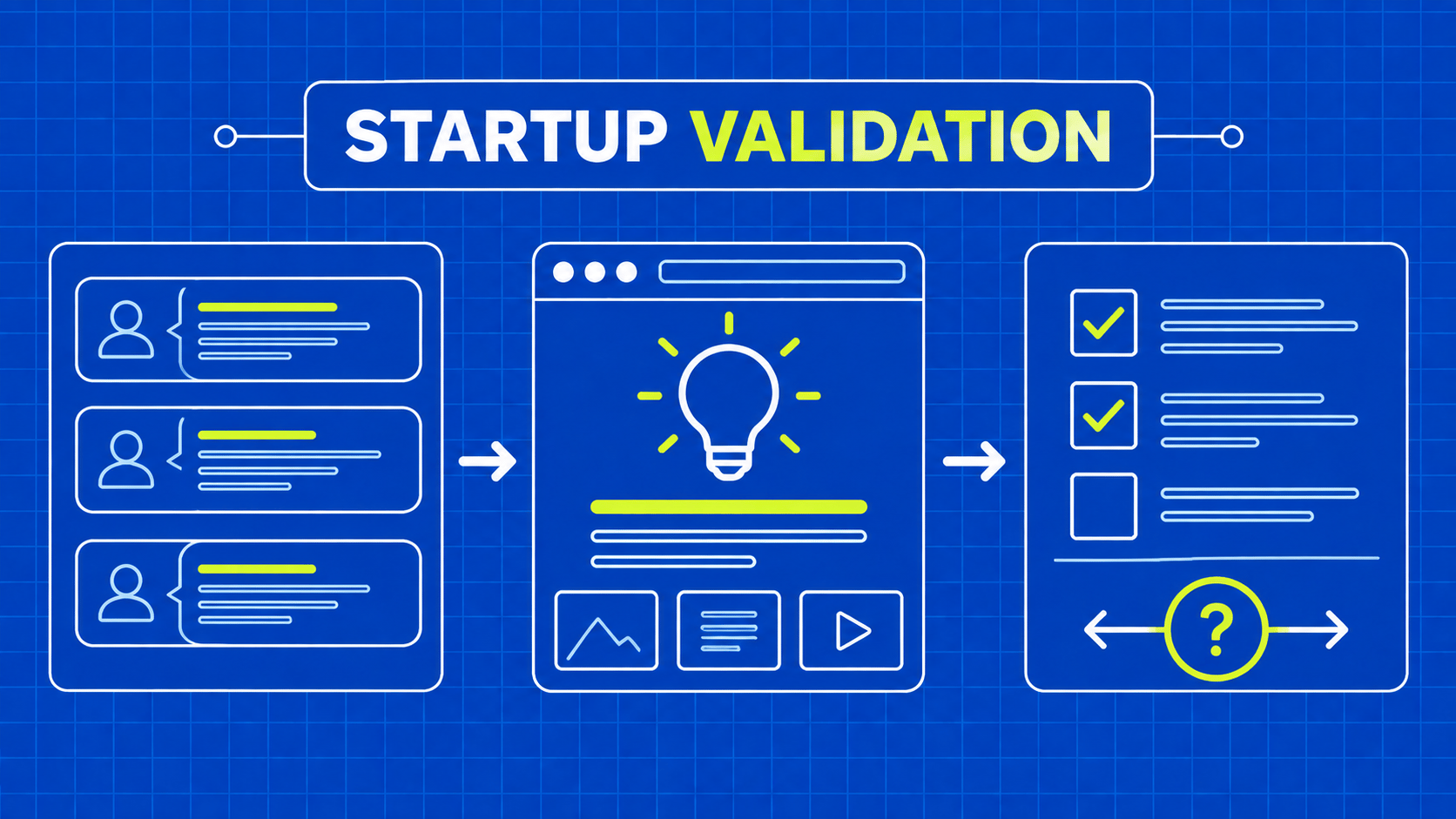
TL;DR: Test a startup launch assumption with a narrow, reviewed dataset. Combine collection quality with user research and a launch gate that can narrow or stop the project.

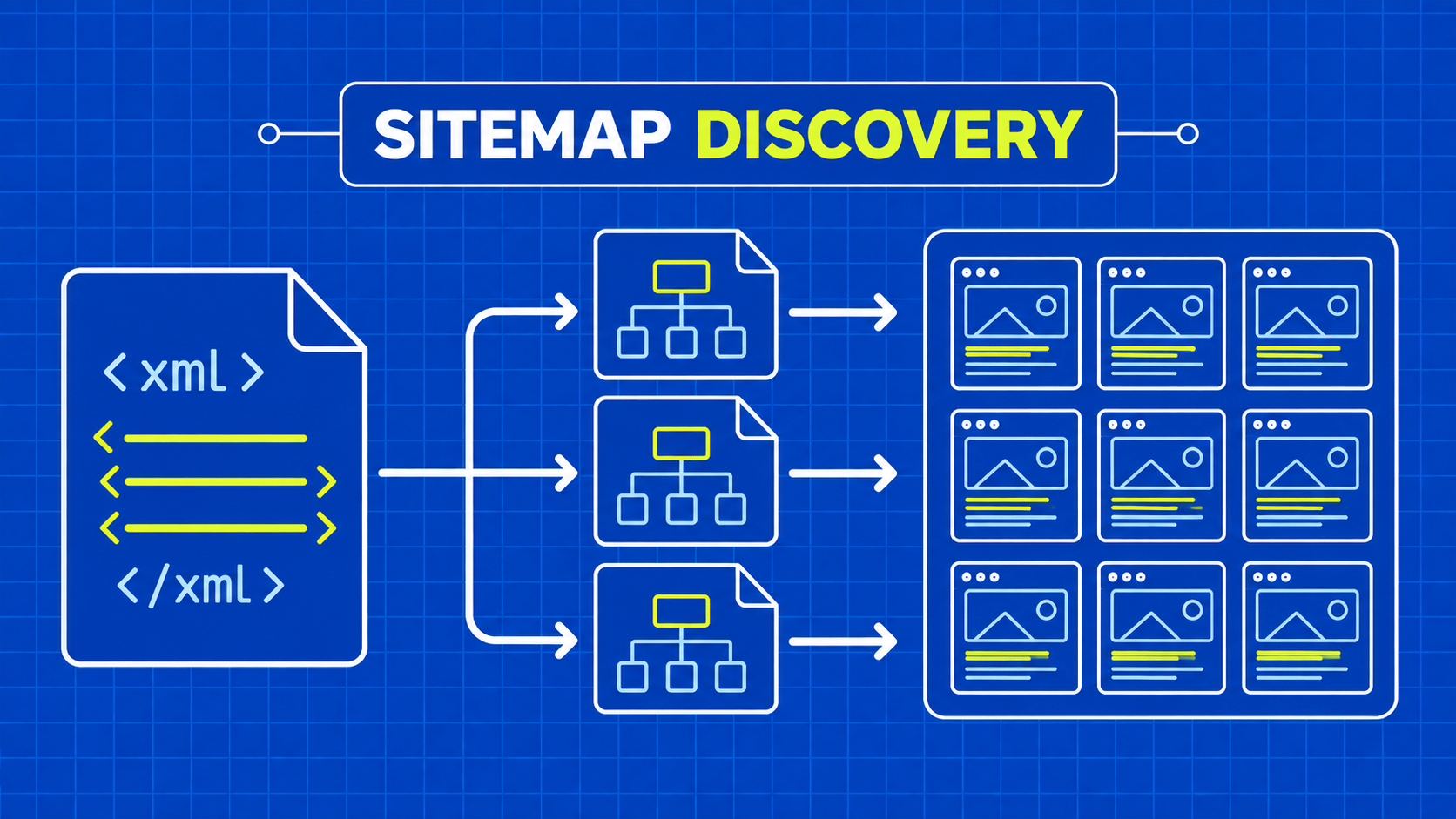
TL;DR: Turn sitemap indexes into a traceable URL discovery queue. Learn namespace-aware parsing, protocol limits, freshness caveats, and safe boundaries for untrusted URLs.

TL;DR: Choose an integration by its actual contract, security profile, tooling, and recovery behavior. Separate REST architecture from SOAP messaging and challenge common myths.

TL;DR: Modern blocks happen across four layers, network, request signature, browser, and behavior. Diagnose the layer first using status codes and challenge pages, then fix it with the right combination of rotating residential proxies, browser-grade headers, TLS impersonation, stealth browsers, and human-like timing. When volume or anti-bot sophistication makes DIY uneconomical, offload the request layer to a managed API.

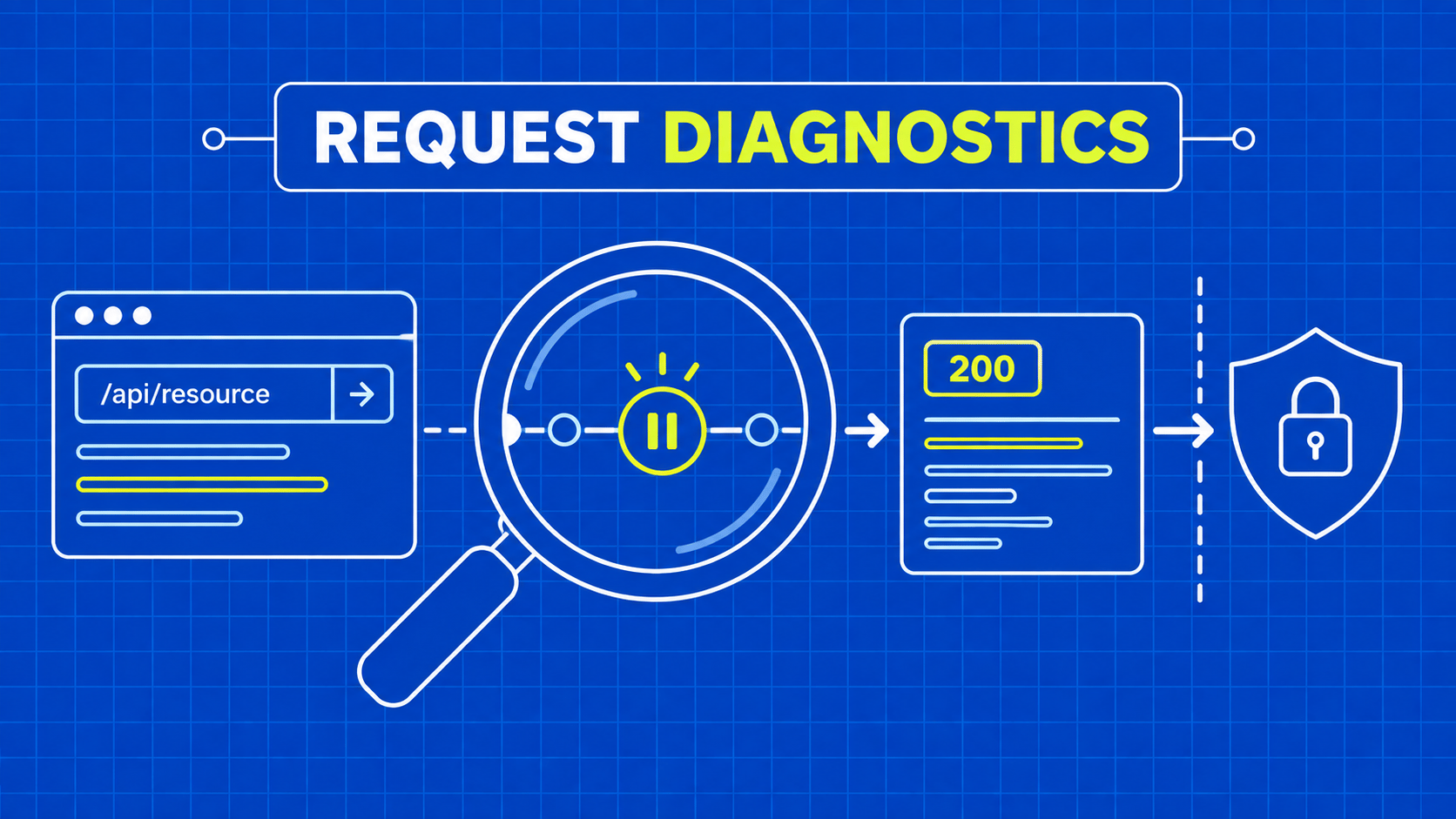
TL;DR: Identify the evidence behind a failed scrape before calling it an IP block. Diagnose rate limits, session problems, and access denials, then validate recovery.
Start Building
Join 2,000+ companies using WebScrapingAPI to extract web data at enterprise scale with zero infrastructure overhead.