Custom Scraper vs Data Extraction Tools
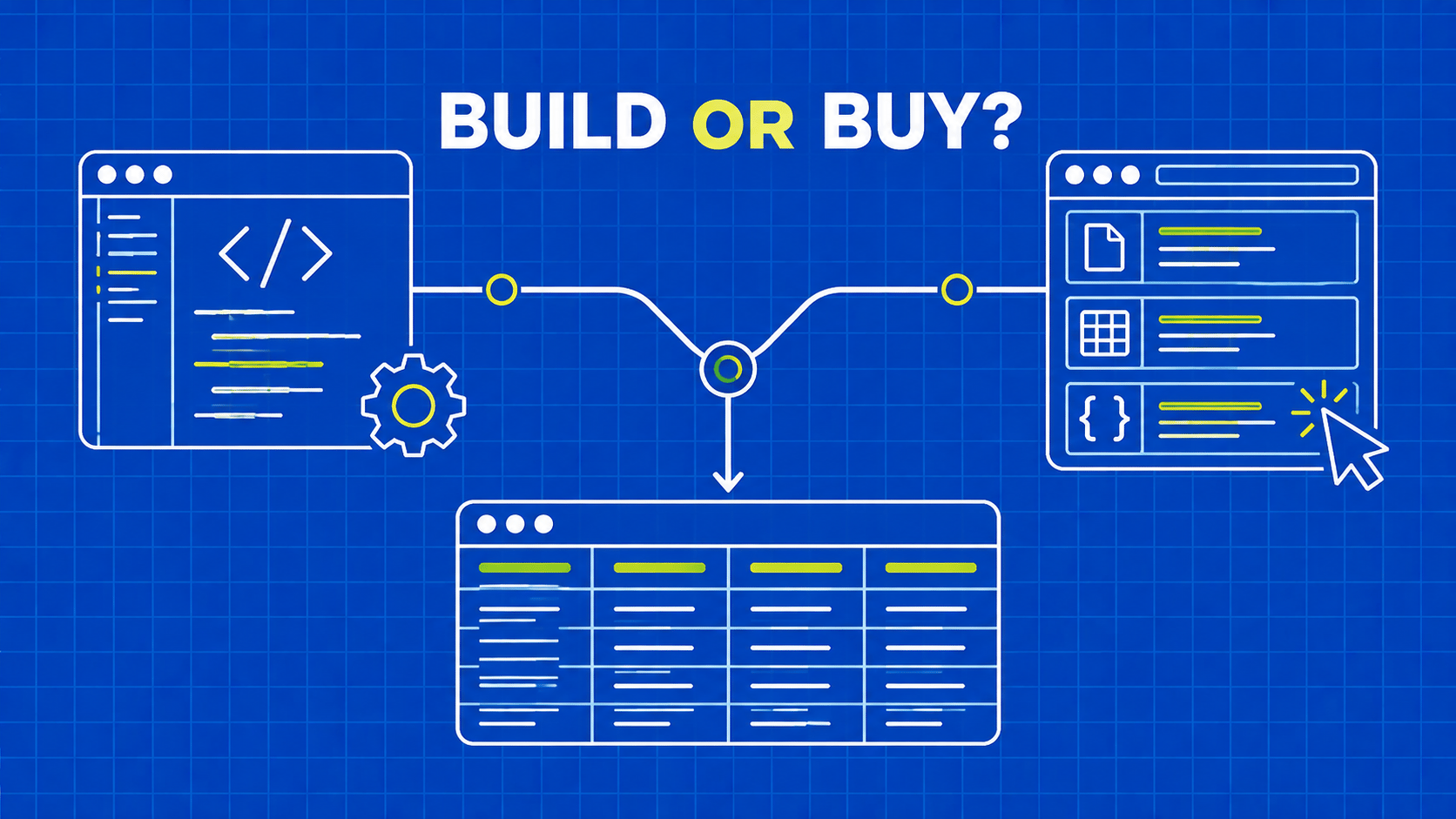
TL;DR: Decide whether to build, buy, or combine scraping tools using a data contract, ownership comparison, total-cost model, and a practical pilot.
Blog
Deep dives into web data infrastructure, extraction techniques, and the future of structured data at scale.
155 articles

TL;DR: Decide whether to build, buy, or combine scraping tools using a data contract, ownership comparison, total-cost model, and a practical pilot.

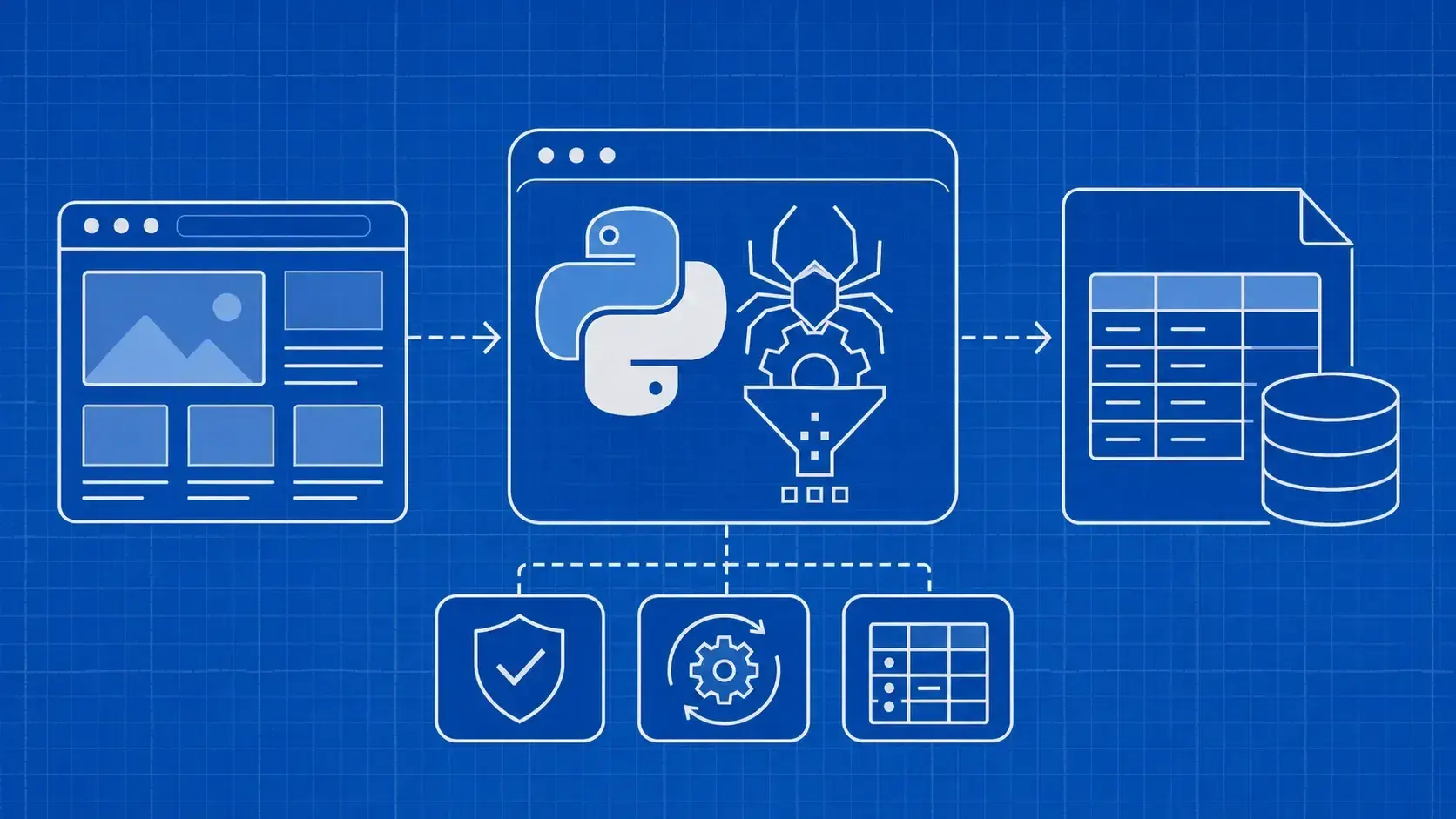
TL;DR: This is a hands-on Python web scraping guide that starts with a decision tree, then walks through Requests plus Beautiful Soup, XPath with lxml, Playwright, Selenium, Scrapy, and a scraping API for hard targets. You will finish with working code, an anti-block playbook, LLM-ready storage patterns, and a production checklist.

TL;DR: The best web scraping tools of 2026 fall into three buckets: managed APIs that hide proxies, headless browsers, and CAPTCHAs behind an HTTP call; open-source frameworks like Scrapy and Crawlee that give you full control if you can host them; and no-code visual scrapers for non-developers. There is no single winner. We compare 22+ options across pricing models, JavaScript rendering, anti-bot strength, and ideal use cases so you can shortlist two or three to trial against your actual target sites.

TL;DR: Web scraping is the automated extraction of public web data into a structured format you can actually use, such as JSON or a spreadsheet. This guide covers what is web scraping at a definitional level, the request-and-parse pipeline behind it, where teams put it to work, the tooling spectrum from no-code to managed APIs, and how to stay on the right side of anti-bot defenses and the law.

TL;DR: Are you a developer, data scientist, non-coder, small or big company? You have come to the right place. Enjoy our web scraping articles!
Start Building
Join 2,000+ companies using WebScrapingAPI to extract web data at enterprise scale with zero infrastructure overhead.