REST API Architecture Constraints
TL;DR: Use a catalog integration to inspect REST's six constraints, distinguish resource state from conversation state, and test all four parts of the uniform interface.
Blog
Deep dives into web data infrastructure, extraction techniques, and the future of structured data at scale.
155 articles

TL;DR: Use a catalog integration to inspect REST's six constraints, distinguish resource state from conversation state, and test all four parts of the uniform interface.

TL;DR: Use -x or --proxy to run cURL with a proxy, then compare direct and proxied public IP results before building automation around it. This guide covers authentication, HTTP and SOCKS modes, persistent settings, bypasses, rotation, secure credential handling, platform setup, and symptom-led troubleshooting.

TL;DR: Choose the right Python HTTP client for your scraper. Compare Requests, HTTPX, aiohttp, urllib3, curl_cffi, and Niquests, with practical examples and reliability advice.

TL;DR: Scraping LinkedIn means working around an aggressive auth wall, behavioral tracking, and TLS fingerprinting. This guide gives you a method-by-page-type decision tree, working Python patterns for jobs, profiles, and companies (hidden API, JSON-LD, Selenium when needed), and a consolidated anti-block checklist for 2026.

TL;DR: The 12 best free web scraping tools in 2026 split into four buckets: managed APIs with free credits, open-source frameworks, no-code browser extensions, and AI extractors. Pick by use case first (one-off scrape vs. scheduled pipeline), then by skill level. Most free tiers cover evaluation, not production; the moment your success rate drops below ~90% or you burn more hours on blocks than on data, it is time to graduate to a paid API.

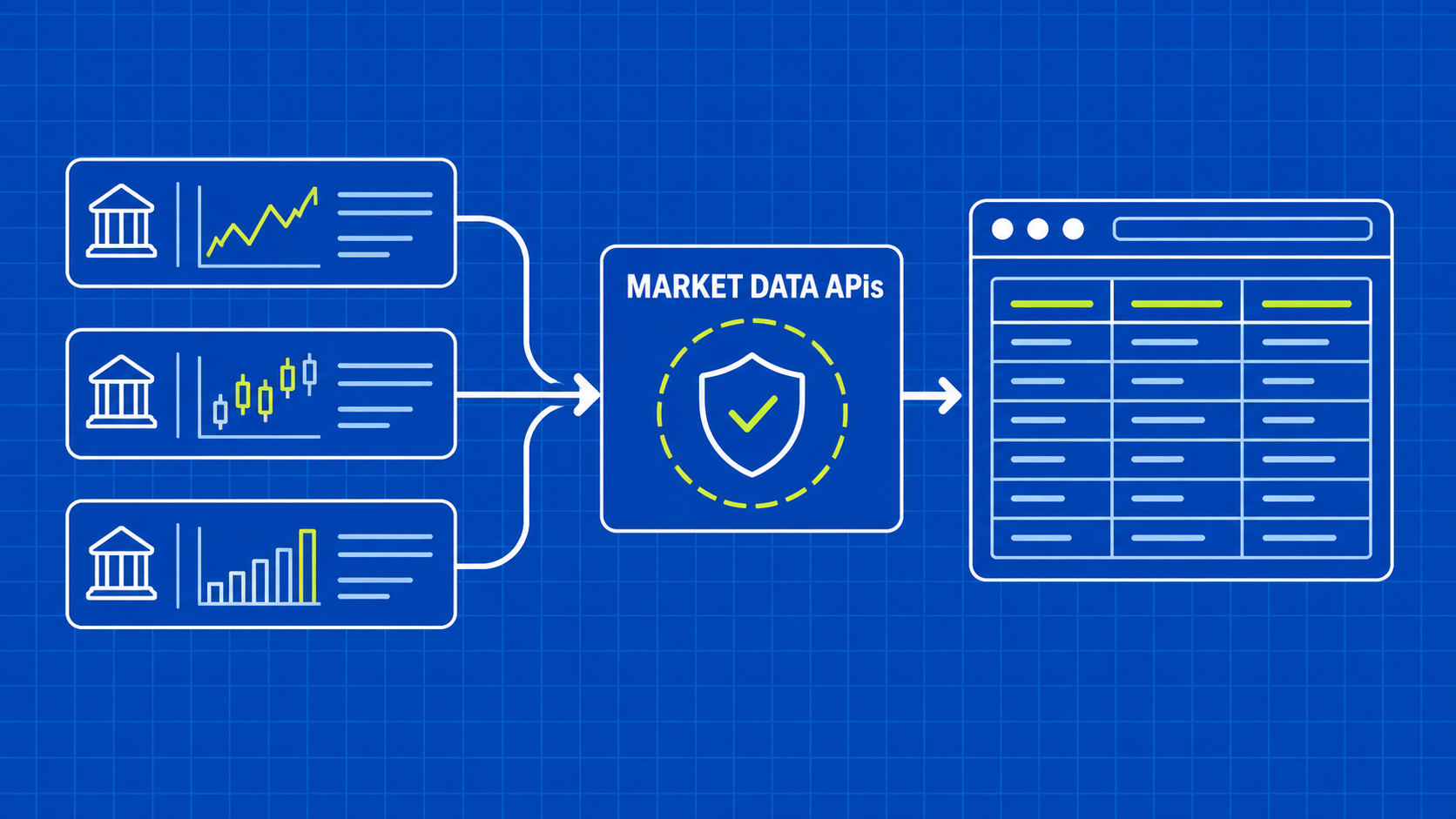
TL;DR: Compare documented market-data providers, then migrate with explicit feed, timezone, adjustment, licensing, and validation requirements.
Start Building
Join 2,000+ companies using WebScrapingAPI to extract web data at enterprise scale with zero infrastructure overhead.